
Women’s Reservation Bill Fails in Lok Sabha: What Happened and Why It Matters
The Bill’s defeat has triggered debate over representation, timing, and the future of women’s reservation in India.
Quick Summary
- The 131st Amendment Bill failed in Lok Sabha after falling short of the required two-thirds majority.
- Here is what the bill proposed, why it failed, and what may happen next.
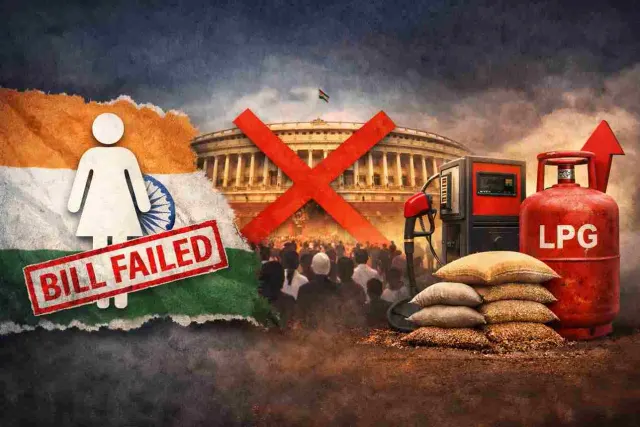
The Constitution (131st Amendment) Bill, 2026, was defeated in the Lok Sabha despite 298 votes in favor and 230 against—falling short of the required two-thirds majority.
The Bill aimed to fast-track women’s reservation by removing its link with the next Census and implementing it by 2029 through a fresh delimitation exercise. It also proposed increasing Lok Sabha seats to 850.
X post by Sansad Tv
What the Bill Proposed
The proposed legislation sought to:
- Implement women’s reservation without waiting for the next Census
- Enable rollout by 2029 through a fresh delimitation exercise
- Increase the total number of Lok Sabha seats to 850
With the Bill’s defeat, the associated Delimitation Bill, 2026 has also been effectively shelved for now.


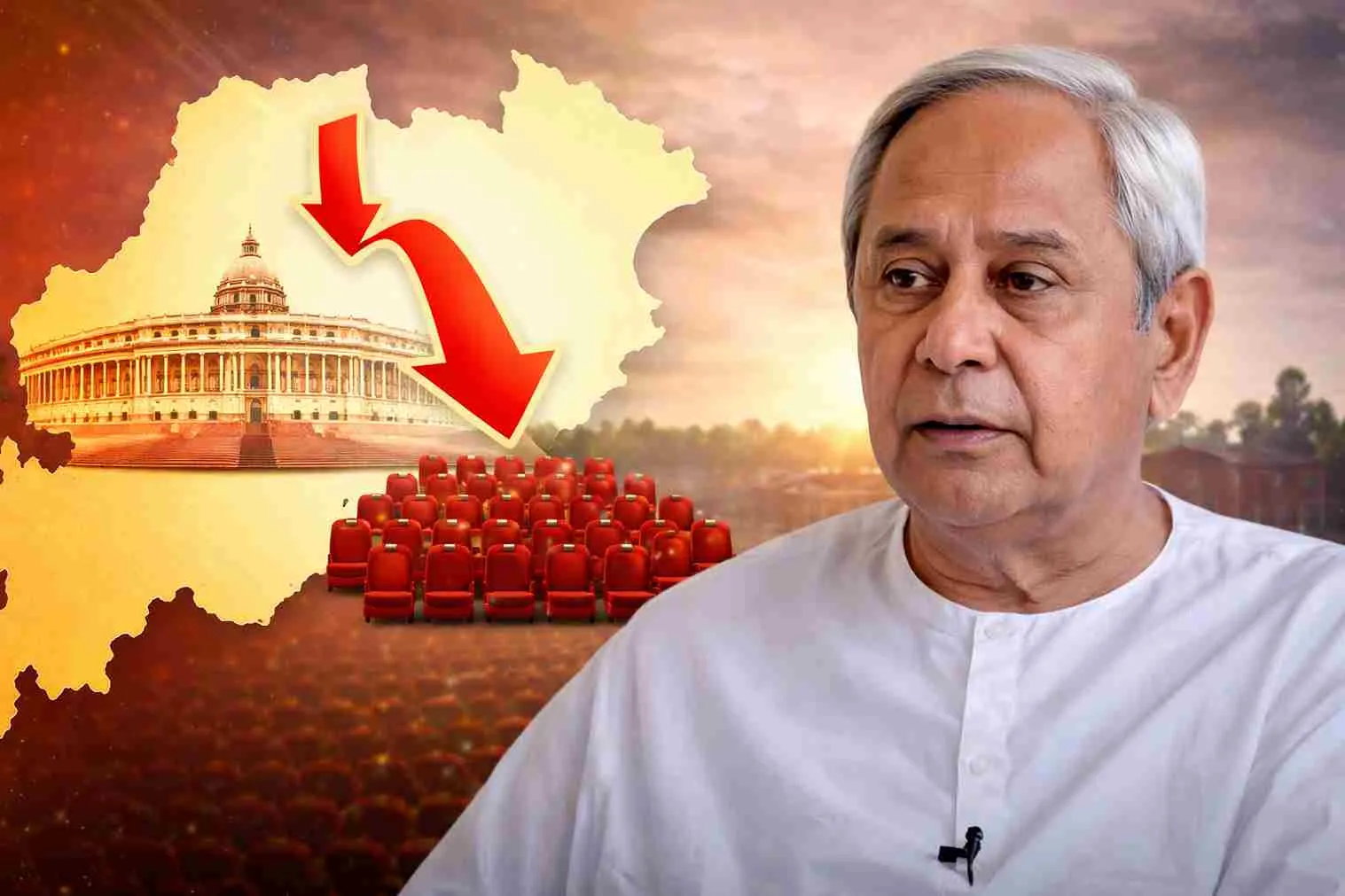
Why the Two-Thirds Majority Matters
Constitutional amendment bills in India require:
- At least two-thirds of members present and voting
- And a majority of the total membership of the House
Despite receiving majority support, the Bill did not meet this higher threshold, leading to its failure.
Also Read:- What is the new CAPF bill
Political Reactions
The Bill has triggered strong political reactions across parties.
Tamil Nadu Chief Minister M. K. Stalin questioned the timing of the move, especially during an ongoing election period.
Leader of Opposition Rahul Gandhi criticised the proposal, calling it inadequate and raising concerns about representation across communities and regions.
What Happens Next
With the Bill defeated:
- Women’s reservation remains linked to future Census and delimitation processes
- The proposal is unlikely to move forward immediately
- The issue may re-emerge in future parliamentary sessions or elections
Analysis: Questions Raised by the Timing
While the Bill aimed to address long-standing demands for women’s representation, its timing has sparked debate.
Some critics argue that introducing such a major reform during a politically sensitive period raises questions about intent.
Others believe the move reflects an attempt to accelerate structural reforms that have been delayed for decades.
Also read:- Justice Nagaratna on eci: why election commission independence matters for democracy
Debate on Representation
The discussion has also brought attention to broader questions:
- Should women’s reservation be increased beyond current proposals?
- Why is representation in current decision-making bodies still limited?
- How can political participation be improved without long delays?
These questions continue to shape the larger debate around gender equality in governance.
The Bigger Picture
The failure of the Bill highlights a recurring challenge in Indian policymaking — broad agreement in principle, but difficulty in execution.
While political narratives may differ, the central issue remains:
How and when can meaningful representation for women be implemented in India’s legislative system?
Until a clear path forward emerges, the conversation around women’s reservation is likely to remain a key national issue.
Author Details
He is a writer and content creator with 4 years of experience covering Odisha, India, and economic news, crafting insightful stories that bridge local issues with national and global trends.
Reader Feedback
Was this article useful?
Stay Connected
Get the next important story before you miss it.
Subscribe to the newsletter for trusted updates, or join our WhatsApp channel for quick top-story alerts from The Eastern Times.
WhatsApp Channel
Prefer instant alerts? Join our WhatsApp channel for top stories and breaking updates.
Join on WhatsApp