
Why Is Odisha Implementing a Universal Mental Health Policy in Schools?
 The Eastern Times
 Quick Summary
- Reduces stress & suicides through counselling, safer infrastructure, and support systems.
- Legal backing after Mukendra Saha vs.
- State of Andhra Pradesh makes schools accountable.
- Focus on well-being by promoting holistic, stress-free education beyond marks
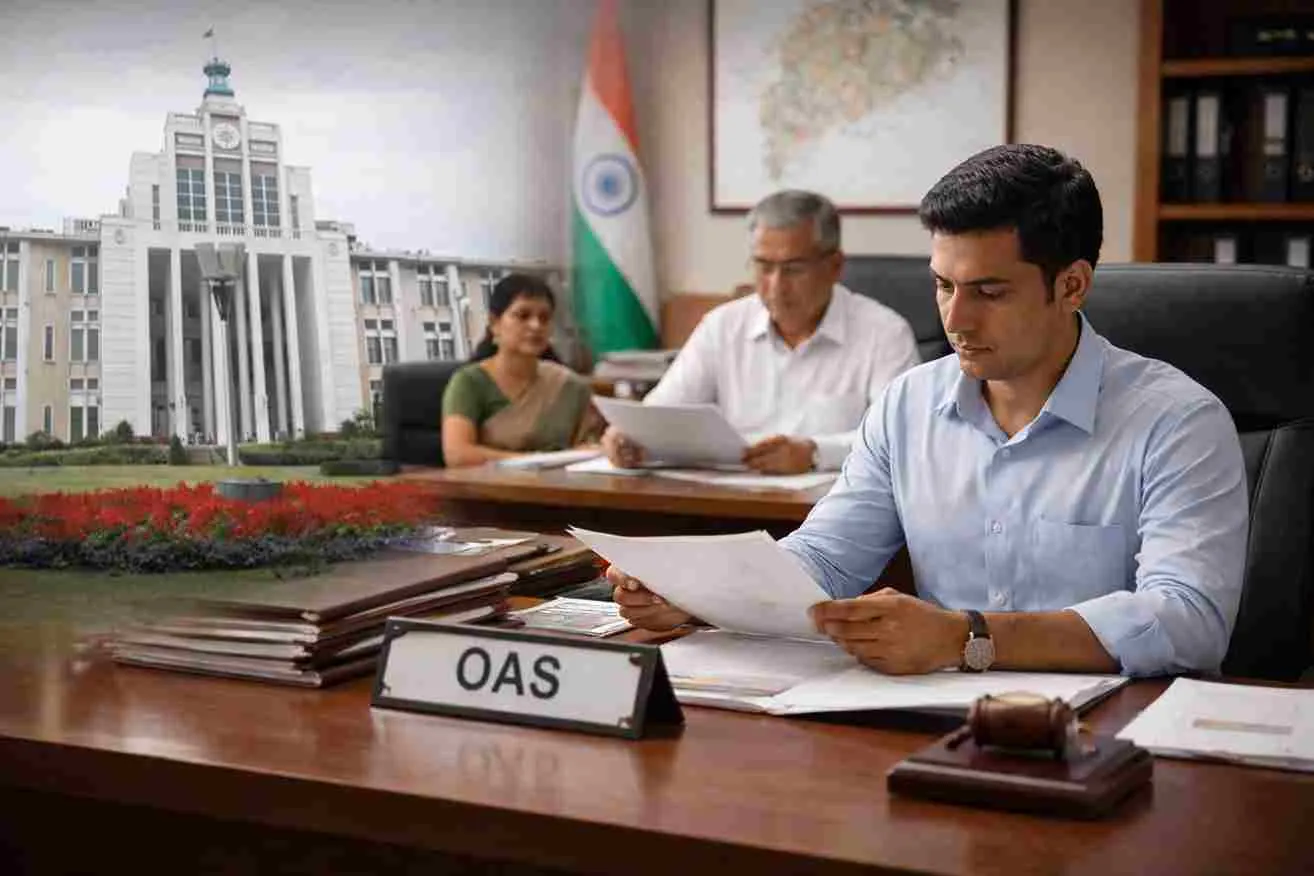
The State Government has taken a significant decision to protect the mental health of students and prevent suicides. Based on the recent directive of the Supreme Court, the Department of Social Security and Empowerment of Persons with Disabilities (SSEPD) has issued a model guideline to implement a ‘Universal Mental Health Policy’ in all educational institutions of Odisha, especially in special schools.
Why Government Wants to Implement It
- Rising student suicides: Increasing cases across schools and hostels have made intervention urgent.
- Excessive academic pressure: Competitive environments are causing anxiety, stress, and burnout among students.
- Mental health neglect: Lack of awareness and support systems in institutions has worsened the situation.
- Early identification of issues: Trained teachers and counsellors can detect warning signs before crises develop.
- To end harmful practices: Banning public humiliation, academic segregation, and mental harassment.
- Legal obligation: Following the Supreme Court ruling in Mukendra Saha vs. State of Andhra Pradesh, linking mental health to Article 21.
- Access to professional help: Ensuring availability of counsellors and helplines like Tele-MANAS.
- Safer school environment: Introducing anti-suicide infrastructure and controlled access to risky areas.
- Reducing stigma: Normalizing conversations around mental health in educational spaces.
- Holistic development: Promoting overall well-being instead of focusing only on academic performance.
Also Read: Cicada COVID Variant: The Silent Comeback That’s Raising Global Concerns
What is Universal Mental Health Policy
The Universal Mental Health Policy is a comprehensive and preventive framework designed to promote mental well-being within educational institutions. Unlike traditional approaches that focus only on treatment after problems arise, this policy emphasizes prevention, awareness, and continuous support.
Under this policy, schools and colleges with more than 100 students are required to appoint at least one qualified mental health counsellor or psychologist. This ensures that professional help is readily accessible within the campus itself.
The policy also mandates structural and environmental changes aimed at reducing the risk of self-harm. This includes installing tamper-proof (anti-hanging) ceiling fans in hostels and restricting access to potentially dangerous areas like rooftops and balconies.
In addition, it strictly prohibits practices that negatively impact a student’s self-esteem, such as public humiliation, segregation based on academic performance, or excessive mental pressure. Teachers and non-teaching staff will undergo mental health training twice a year so they can better understand and respond to students’ emotional needs.
To further strengthen support systems, institutions must prominently display helpline numbers like Tele-MANAS, providing students with 24/7 access to professional help. The policy applies to both government and private institutions, making it truly universal in scope.


Background
The introduction of this policy is rooted in a significant legal and social development. In the landmark case Mukendra Saha vs. State of Andhra Pradesh, the Supreme Court of India recognized mental health as an integral part of the Right to Life under Article 21 of the Constitution.
The court expressed serious concern over the increasing academic pressure on students and the alarming rise in suicide cases. It emphasized that the right to live with dignity includes mental well-being and directed all states and union territories to formulate a uniform mental health policy for educational institutions.
Following this directive, the Odisha government’s Department of Social Security and Empowerment of Persons with Disabilities (SSEPD) prepared a model guideline to implement the Universal Mental Health Policy across the state. District Collectors have been instructed to oversee its implementation through monitoring committees and ensure compliance from all institutions, including special schools.
This move reflects a broader shift in governance, where mental health is no longer seen as a personal issue but as a collective responsibility of institutions and the state. It marks a crucial step towards building a more compassionate and supportive education system in Odisha.
Why it Matters
The Universal Mental Health Policy matters because it protects students from extreme academic pressure, reduces suicide risks, and ensures access to timely support. By recognizing mental well-being as a right, reinforced in Mukendra Saha vs. State of Andhra Pradesh, it makes schools safer, more supportive, and focused on holistic development.
Reader Feedback
Was this article useful?
Stay Connected
Get the next important story before you miss it.
Subscribe to the newsletter for trusted updates, or join our WhatsApp channel for quick top-story alerts from The Eastern Times.
WhatsApp Channel
Prefer instant alerts? Join our WhatsApp channel for top stories and breaking updates.
Join on WhatsApp