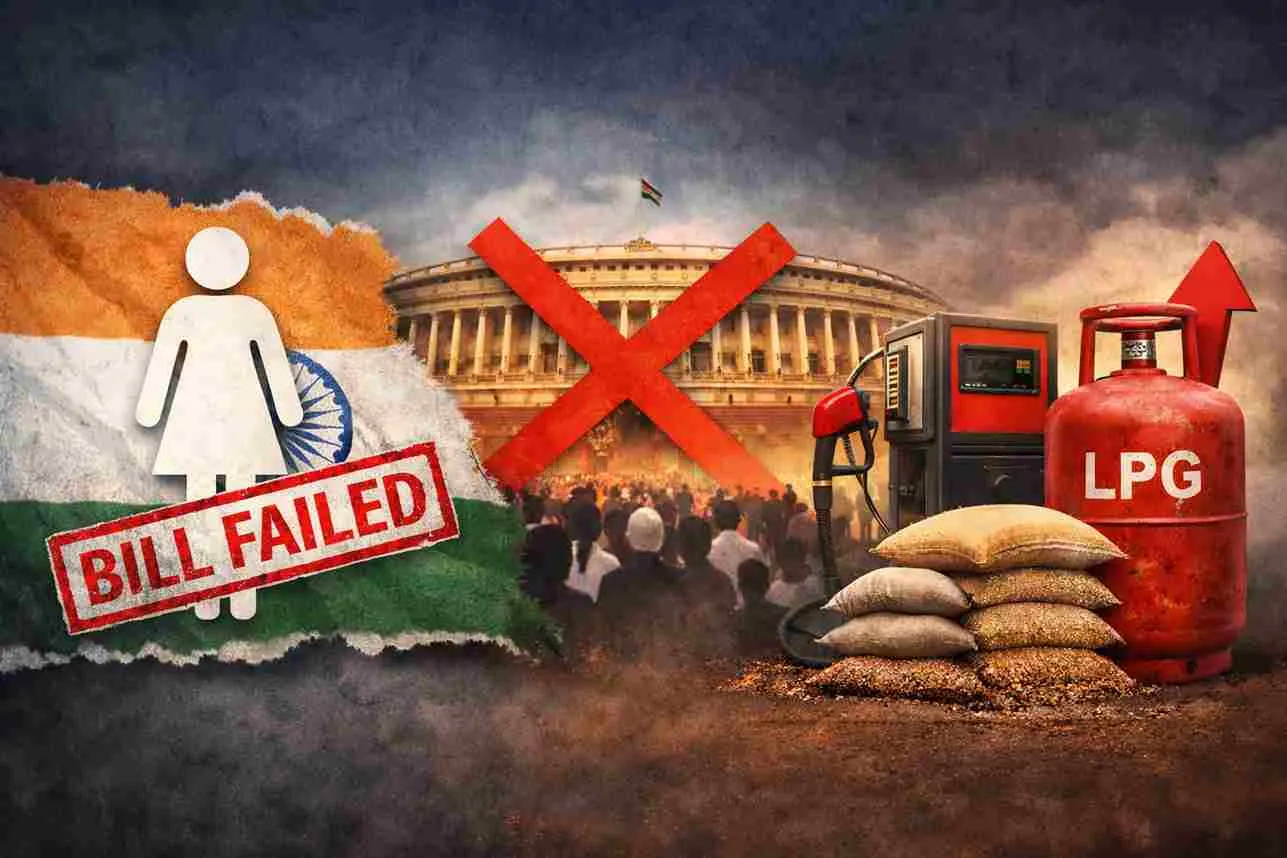
Women’s Reservation Amendment Bill Fails in Parliament: Was It a Political Move to Divert Public Attention from LPG and Other Shortages?
The Bill’s defeat raises serious questions about timing, intent, and whether it was meant to shift focus from India’s ongoing economic challenges.
 The Eastern Times
 Quick Summary
- 131st Amendment Bill failed in Lok Sabha despite majority support, falling short of the two-thirds requirement;
- delimitation plan also shelved.
- Raises questions on timing and intent, with critics asking if the move was aimed at diverting attention from LPG shortages, fuel prices, and economic concerns.
- Debate shifts to real representation, including why not 50% reservation and why women lack equal presence in the current cabinet.
The Constitution (131st Amendment) Bill, 2026, was defeated in the Lok Sabha despite 298 votes in favor and 230 against—falling short of the required two-thirds majority.
The Bill aimed to fast-track women’s reservation by removing its link with the next Census and implementing it by 2029 through a fresh delimitation exercise. It also proposed increasing Lok Sabha seats to 850.
X post by Sansad Tv
With its failure, the Delimitation Bill, 2026 was also shelved.
But the bigger question remains: why such urgency?
The sudden special session and quick push raise concerns about intent.
1. Was it pure politics to divert people from ongoing crises in India regarding LPG shortage, fuel price rise, shortage of fertilizers, and reducing exports?
India is facing real economic challenges.
So, the timing of this Bill raises a valid doubt—
Was this about reform, or about shifting public attention?


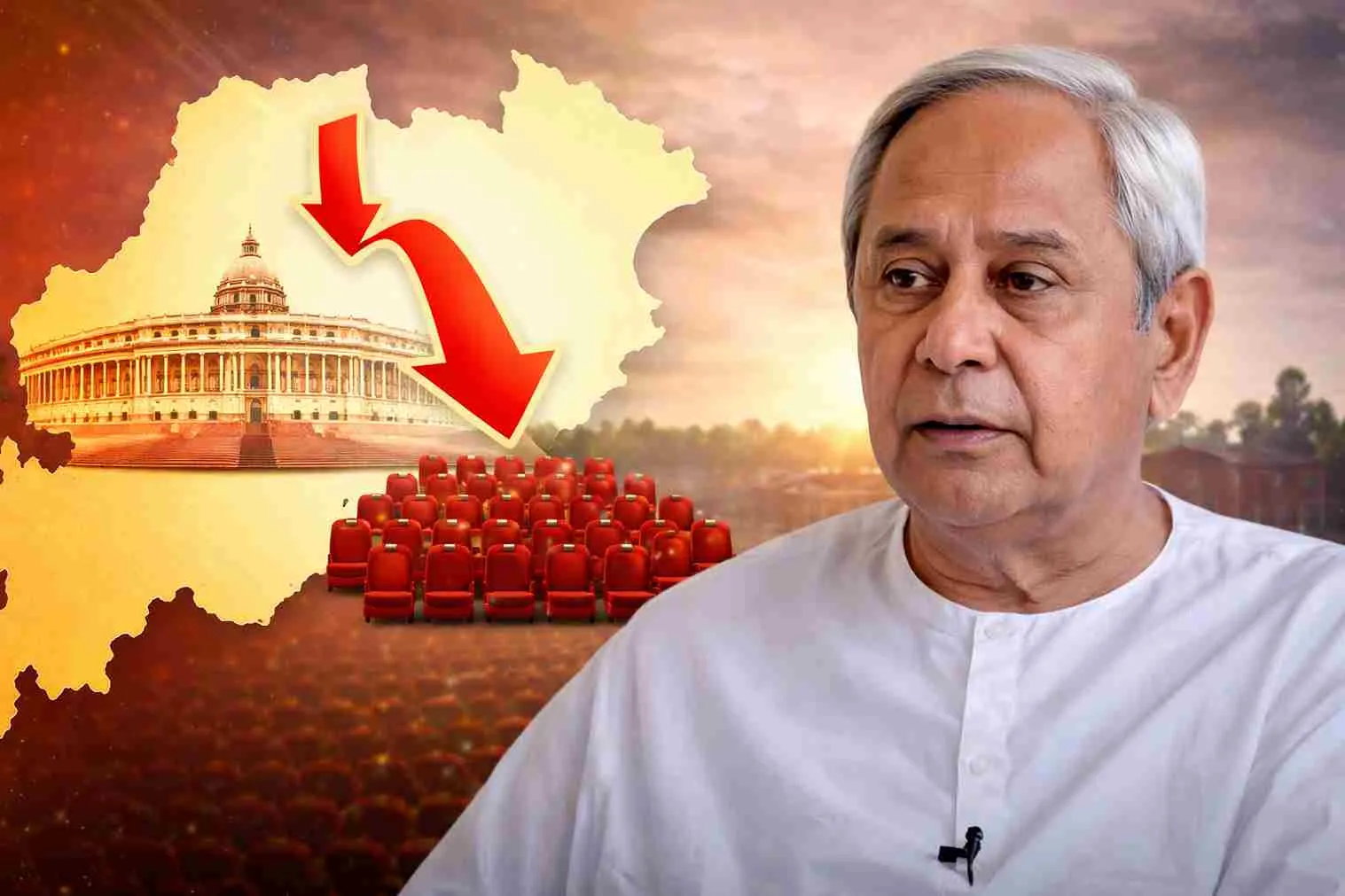
2. As this bill gets defeated, now the BJP government will get a chance to divert the issue and make this propaganda in the next few months and ongoing elections against the opposition.
The political impact of failure is important.
Now, the government can project itself as pro-women while blaming the opposition.
This narrative could influence upcoming elections.
3. The question arises: if women are half of our population, then why not 50% or more reservation to set an example in the world?
Women form nearly 50% of the population.
Then why stop at limited reservation?
Why not aim for true equality and global leadership in representation?
4. Why is the current government not giving 50% ministerial positions to women in the existing cabinet? If women constitute nearly half of the population, why is equal representation not reflected in top decision-making roles?
This is about action, not promises.
If empowerment is real, it should reflect now, not later.
Why not ensure equal representation in the current cabinet itself?
5. Why are the PM and Home Minister not leaving their seats from their party to give women a chance to lead the country?
Leadership defines intent.
True change comes when space is created at the top.
Are political leaders ready to lead by example?
The Bigger Question
In the end, this is not just about a Bill being passed or defeated. It is about trust. People are no longer convinced by announcements alone—they are looking for consistency between what is said and what is done.
If women’s empowerment is truly a priority, it cannot remain limited to future promises or political moments. It has to be visible in today’s decisions, in today’s leadership, and in today’s distribution of power.
Until that happens, questions will continue to rise—about intent, about timing, and about whether real change is the goal, or just the narrative.
What Opposition Leaders Are Saying:
Tamil Nadu Chief Minister M. K. Stalin has openly criticised the Union government for introducing key bills—like the Women’s Reservation and Delimitation-related proposals—during an ongoing election period, questioning both the timing and intent.
Rahul Gandhi, Leader of Opposition, strongly criticized the proposed Women’s Reservation Bill, making a sharp political statement:
“This is not a Women’s Reservation Bill — it has nothing to do with women.
This bill is anti-OBC,
anti-SC/ST,
and anti-national — against the South, North-East, North-West, and small states.We will neither let anyone’s rights be snatched away, nor let the country be divided.”
Reader Feedback
Was this article useful?
Stay Connected
Get the next important story before you miss it.
Subscribe to the newsletter for trusted updates, or join our WhatsApp channel for quick top-story alerts from The Eastern Times.
WhatsApp Channel
Prefer instant alerts? Join our WhatsApp channel for top stories and breaking updates.
Join on WhatsApp