
Supreme Court: SC Status Ends After Conversion from Hinduism, Sikhism, Buddhism
 The Eastern Times
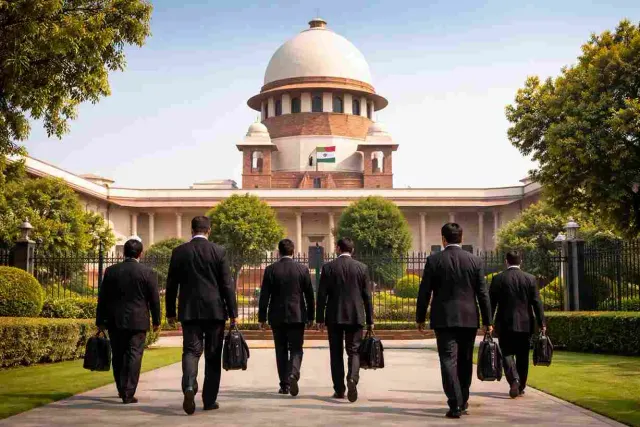
 New Delhi: In a significant ruling on religious conversion and caste identity, the Supreme Court of India has held that individuals who convert from Hinduism, Sikhism, or Buddhism to another religion will no longer be recognised as members of the Scheduled Castes (SC).
The apex court made this observation while upholding a prior judgment of the Andhra Pradesh High Court, reinforcing that Scheduled Caste status is tied to specific constitutional provisions and does not extend beyond them.
What the Court Said
The court clarified that Scheduled Caste recognition is strictly governed by the Constitution. Once a person converts to another religion, their SC status ceases, and they are no longer entitled to the benefits or protections reserved for Scheduled Castes.


Background of the Case
The case originated in Andhra Pradesh, where an individual belonging to a Scheduled Caste had converted to Christianity and was practicing the faith.
Following an altercation, the individual filed a complaint against certain persons under the Scheduled Castes and Scheduled Tribes (Prevention of Atrocities) Act, 1989, seeking legal protection. This was challenged in court by the opposing party.
During the hearing, the court observed that the caste system does not exist within Christianity. Therefore, it held that the complainant should be deprived of the protections and benefits available under the SC/ST Act after conversion.
Court’s Reasoning
The court observed that the caste system, which forms the basis for Scheduled Caste classification, is not recognised within Christianity. Therefore, a person who converts and practices another religion cannot claim SC status or invoke protections under the SC/ST Act.
Key Takeaways
- Scheduled Caste status is constitutionally defined and religion-specific
- Conversion to another religion results in loss of SC recognition
- Legal protections under the SC/ST Act are not applicable post-conversion
- The verdict upholds the Andhra Pradesh High Court’s earlier ruling
The judgment is expected to have wide-ranging implications for cases involving caste identity, religious conversion, and access to reservation benefits and legal protections in India.
Reader Feedback
Was this article useful?
Stay Connected
Get the next important story before you miss it.
Subscribe to the newsletter for trusted updates, or join our WhatsApp channel for quick top-story alerts from The Eastern Times.
WhatsApp Channel
Prefer instant alerts? Join our WhatsApp channel for top stories and breaking updates.
Join on WhatsApp