US Steps Back in Iran war; Tehran Calls Diplomacy Claims “Fake News”
 The Eastern Times
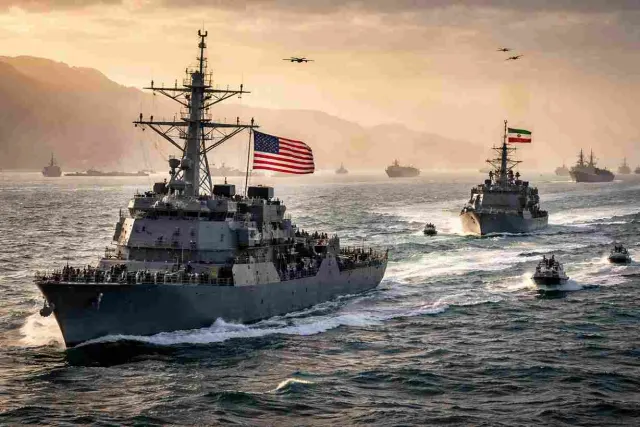
 Washington D.C. / Tehran: In a significant shift in tone, the United States has indicated a move toward diplomacy in its ongoing tensions with Iran, as its military campaign—reportedly dubbed “Operation Epic Fury”—faces growing criticism and limited success on the ground.
Shift Towards Diplomacy
The change became evident after a statement from the White House suggested the possibility of a “joint control” mechanism over the Strait of Hormuz, one of the world’s most critical oil transit routes.
President Donald Trump proposed that both the U.S. and Iran could collaboratively manage the waterway, marking a sharp departure from earlier demands for complete Western control and immediate reopening under U.S. authority.
Iran Rejects Claims
Iran has responded strongly, dismissing U.S. claims of ongoing peace talks as “fake news.” Officials in Tehran have denied that any direct negotiations are currently underway.
Adding to the tension, Iranian military-linked channels circulated a viral graphic mocking the U.S. proposal, suggesting that Washington’s role in any joint control would be symbolic rather than real.
Strategic Challenges for the U.S.
Analysts believe the shift toward diplomacy reflects increasing challenges faced by the U.S. in the region. Key concerns include:
- Rising oil prices: Disruptions in the Strait of Hormuz have pushed global energy markets into uncertainty.
- Limited allied support: Reports indicate hesitation from key Western allies to engage militarily in the conflict zone.
- Escalation risks: A potential ground invasion remains a high-risk option, likely to result in heavy casualties and domestic opposition.
Global Implications
The situation is beginning to impact global geopolitics. Heightened tensions in the Gulf have triggered concerns about energy security and regional stability.
At the same time, several global leaders and analysts believe that the United States no longer holds the same level of strategic dominance it once projected, with the current situation raising questions about Washington’s ability to enforce its red lines and maintain global influence.
What Next?
With both sides maintaining firm public positions, the path forward remains uncertain. While Washington appears to be exploring diplomatic options, Tehran’s rejection of talks suggests that a resolution may still be distant.
The coming weeks will be crucial in determining whether this shift leads to meaningful dialogue or remains a tactical pause in a prolonged standoff.
Reader Feedback
Was this article useful?
Stay Connected
Get the next important story before you miss it.
Subscribe to the newsletter for trusted updates, or join our WhatsApp channel for quick top-story alerts from The Eastern Times.
WhatsApp Channel
Prefer instant alerts? Join our WhatsApp channel for top stories and breaking updates.
Join on WhatsApp