
Supreme Court Grants Right to Die with Dignity, Harish Rana Passes Away After 13-Year Coma
 The Eastern Times
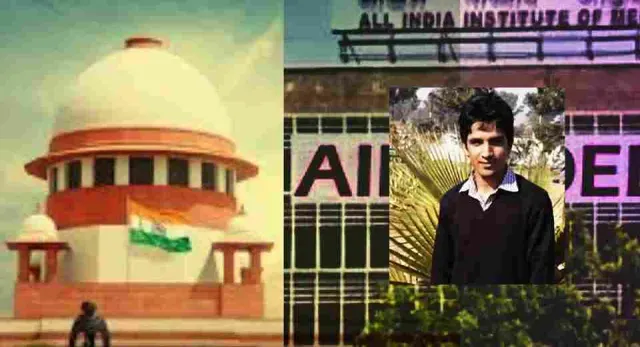
 Harish Rana, who had been granted permission for passive euthanasia by the Supreme Court of India, has passed away after spending more than 13 years in a coma. He was given a dignified death at All India Institute of Medical Sciences in New Delhi.
Rana, a resident of Ghaziabad, had been battling between life and death for over a decade. Following the Supreme Court’s directive, he was admitted to the palliative care ward at AIIMS, where he remained under constant medical supervision.
After receiving legal approval for passive euthanasia, doctors initiated the process of withdrawing life support in a phased and medically supervised manner. Nutrition provided through feeding tubes was first stopped, followed by the gradual withdrawal of fluids.
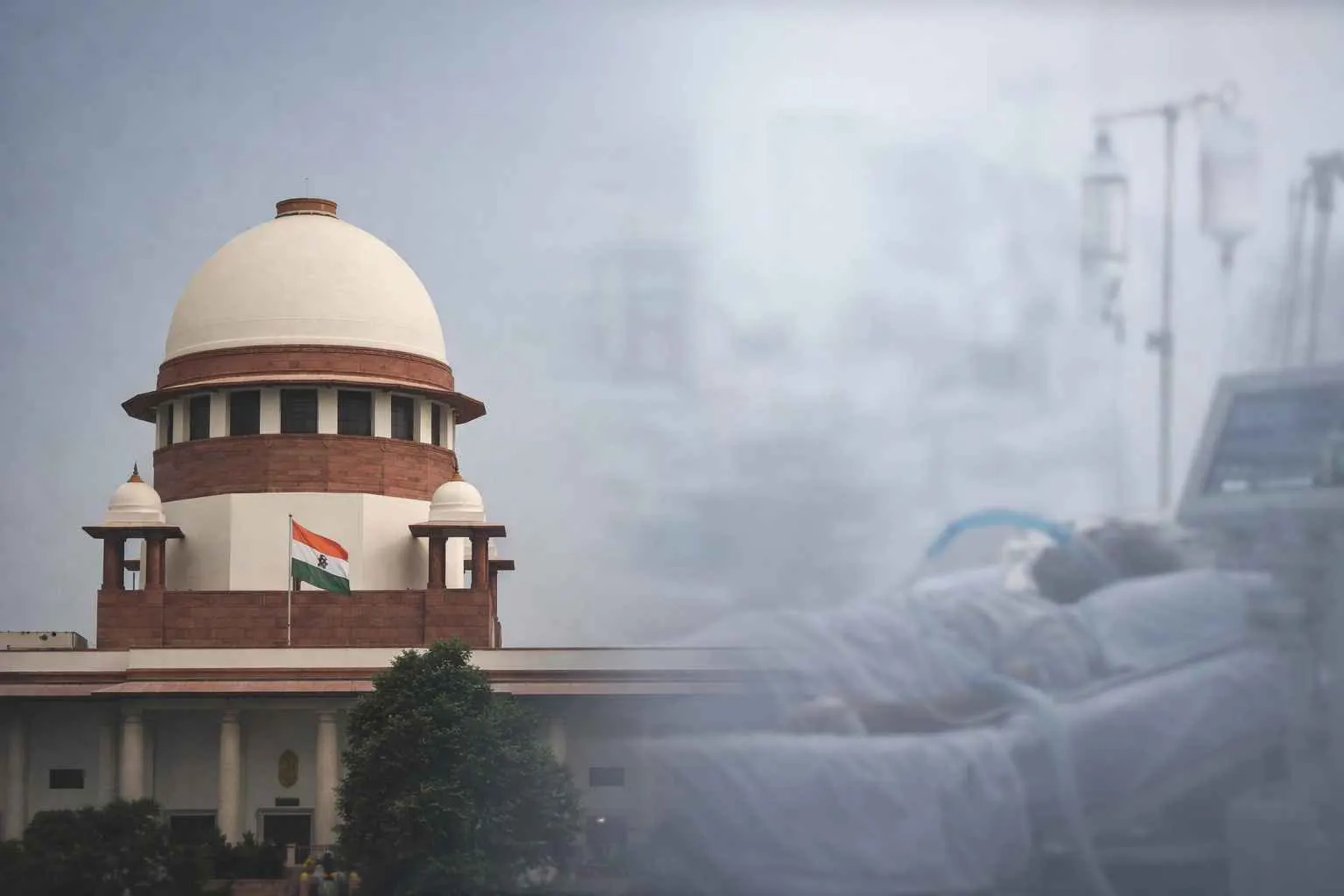


A 10-member medical panel was constituted to oversee the entire procedure and ensure that all protocols were strictly followed. The AIIMS administration also formed a team of experts to monitor the sensitive process closely.
Doctors paid special attention to ensuring that Rana did not experience any pain during his final moments. The entire procedure was carried out with dignity and in accordance with established medical and legal guidelines.
The case marks a significant moment in India’s legal and medical landscape, highlighting the evolving framework around passive euthanasia and the right to die with dignity.
Reader Feedback
Was this article useful?
Stay Connected
Get the next important story before you miss it.
Subscribe to the newsletter for trusted updates, or join our WhatsApp channel for quick top-story alerts from The Eastern Times.
WhatsApp Channel
Prefer instant alerts? Join our WhatsApp channel for top stories and breaking updates.
Join on WhatsApp