
After Your Death: Who Will Control Your Digital Life? India’s New ‘Digital Will’ Explained”
 The Eastern Times
 Quick Summary
- Digital Wills aim to solve a major gap by allowing transfer of digital assets (social media, crypto, cloud data) to family members without complex legal hurdles.
- The government, through the Ministry of Electronics and Information Technology, is preparing guidelines aligned with the Digital Personal Data Protection Act to balance privacy and inheritance rights.
- New systems using DigiLocker and Aadhaar, along with existing tools from Google and Meta, will make digital asset transfer faster and more accessible.
In today’s world, a person’s life is no longer confined to physical assets like land, gold, or bank savings. A significant part of our identity—and often wealth—exists online. From social media accounts and cloud storage to cryptocurrencies and digital businesses, these assets raise a crucial question: what happens to your digital life after you are gone?
To address this growing concern, the Government of India is preparing to introduce a new framework known as a Digital Will—a system that will allow individuals to legally transfer their digital assets to their families or chosen heirs.
The Problem: Digital Assets in Legal Limbo
Traditionally, assets are passed on through wills or inheritance laws. However, digital accounts often fall under strict privacy and data protection policies. Platforms like Google, Apple, and Meta restrict access to user accounts—even after death.
As a result, families frequently face challenges such as:
- Inability to access important documents or memories
- Loss of digital income sources (YouTube, trading accounts, etc.)
- Legal delays requiring court orders
This gap between privacy laws and inheritance rights has made digital succession a pressing issue.
What is a Digital Will?
A Digital Will is a legal mechanism that allows individuals to specify how their digital assets should be handled after their death. It works similarly to a traditional will but focuses exclusively on online and digital property.
Under upcoming guidelines from the Ministry of Electronics and Information Technology (MeitY), Digital Wills aim to:
- Simplify transfer of digital assets
- Reduce dependency on lengthy court procedures
- Provide clarity between ownership and access rights
This means your family could access your digital property without repeated legal hurdles.
What Counts as Digital Assets?
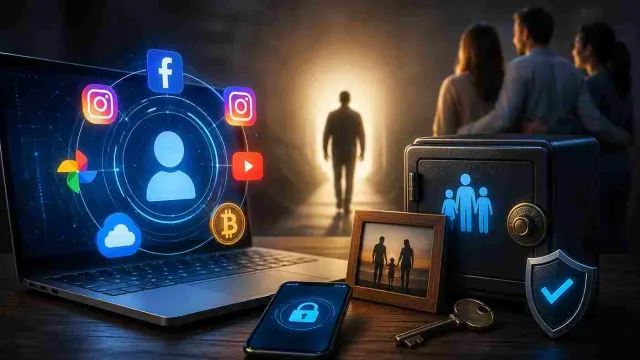
Digital assets today go far beyond social media. A Digital Will can include:
1. Social Media Accounts
Platforms like Facebook and Instagram hold personal memories, messages, and sometimes business value. Families may wish to memorialize or manage these accounts.
2. Crypto and Financial Assets
Investments in Bitcoin and other digital currencies can have significant monetary value. Without proper access credentials, these assets can be permanently lost.
3. Cloud Storage and Digital Files
Services like Google Photos store years of photos, videos, and documents. These are often emotionally valuable for families.
4. Digital Businesses and Online Income
YouTube channels, blogs, NFTs, domain names, and affiliate accounts are increasingly becoming income-generating assets.
Also Read: Pollution Is Choking India’s Economic Growth: An Economic Perspective


Key Legal Developments in India (2026)
1. Nominee vs Legal Heir
A nominee (such as a “legacy contact”) is not always the legal owner. In most cases, they act as a trustee, while ownership remains with the legal heir named in a will. The new framework aims to formally recognize a “Digital Heir” with clearer rights.
2. Integration with Data Protection Laws
India’s Digital Personal Data Protection Act is being aligned with digital inheritance rules.
This introduces a key distinction:
- Personal Data: Chats, emails—may be deleted to protect privacy
- Digital Property: Crypto, monetized accounts—can be inherited
3. Use of DigiLocker and Aadhaar
The government is exploring a centralized system using DigiLocker and Aadhaar.
This could allow:
- Storage of a Digital Asset Inventory
- Automated transfer after death verification
4. Faster Transfers Without Probate
A major 2026 reform is the removal of mandatory probate in cities like Mumbai, Chennai, and Kolkata. This reduces delays and allows families to directly claim assets using a valid will.
Existing Tools You Can Use Today
Even before formal laws are implemented, major tech companies already offer digital legacy features:
- Google: Inactive Account Manager
- Apple: Legacy Contact
- Meta (Facebook/Instagram): Memorialization or account transfer
These tools provide a starting point, but they are not a complete legal substitute for a Digital Will.
Why Digital Wills Matter
Digital assets are no longer optional—they are central to modern life. Their value can be:
- Emotional (photos, memories)
- Financial (crypto, online income)
- Professional (domains, portfolios)
Without proper planning, these assets risk being lost, locked, or legally disputed.
Practical Steps You Should Take
To prepare for the future:
- Maintain a Digital Asset Register (list of accounts and platforms)
- Securely store passwords or recovery keys
- Use platform-based legacy tools
- Clearly mention digital assets in your will
why it Matters
As India adapts to a digital-first economy, the concept of inheritance is evolving. The introduction of Digital Wills marks a significant step toward bridging the gap between technology, law, and personal legacy.
In the coming years, managing digital inheritance may become just as routine as passing on physical property. Until then, awareness and early planning remain your best tools to ensure that your digital life continues to serve your loved ones—even after you’re gone.
Reader Feedback
Was this article useful?
Stay Connected
Get the next important story before you miss it.
Subscribe to the newsletter for trusted updates, or join our WhatsApp channel for quick top-story alerts from The Eastern Times.
WhatsApp Channel
Prefer instant alerts? Join our WhatsApp channel for top stories and breaking updates.
Join on WhatsApp