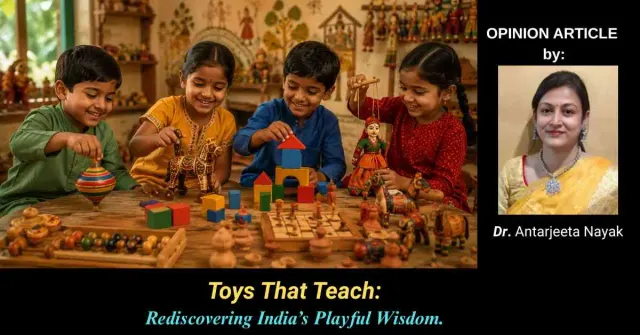
Toys That Teach: Rediscovering India’s Playful Wisdom.
Quick Summary
- Traditional Indian toys support holistic child development by enhancing cognitive, physical, emotional, and social skills through play-based learning.
- NEP 2020 promotes the integration of indigenous toys, games, and cultural learning tools into classrooms, aligning with experiential and activity-based education.
- Reviving traditional toys can preserve India's cultural heritage, support artisan livelihoods, encourage sustainable practices, and create more engaging learning environments for children.
In a country as culturally diverse and historically rich as India, the concept of learning has always transcended classrooms. Indian civilization, with its profound respect for organic and experiential forms of knowledge transmission, has given rise to numerous traditional art forms, folklore, and tools of informal learning. Among these, traditional toys stand out not only as symbols of heritage but also as powerful instruments of early childhood learning. Toys are not merely objects of amusement; they are educational tools that shape cognition, behavior, culture, and imagination.
The National Education Policy (NEP) 2020 recognizes this traditional wisdom, especially in the foundational years of education. It advocates play-based, experiential, and culturally grounded learning methodologies, thereby validating the pedagogical relevance of traditional toys. As early childhood education gains prominence through initiatives like NIPUN Bharat, there is an urgent need to harness the educational capabilities of India’s toy traditions.
Why Early Childhood Learning Needs Play
Early childhood, defined as the age between 0 to 6 years, is a period of rapid brain development. According to UNICEF and neuroscientific studies, nearly 85–90% of a child’s brain develops during these initial years. During this phase, children learn best through sensory experiences, interaction, and play.
Traditional toys, with their tactile textures, vibrant colors, and interactive designs, provide the kind of multisensory engagement that supports holistic development. They encourage exploration, curiosity, and creativity in ways that formal instruction alone cannot achieve.
Traditional Toys as Tools for Holistic Development
A simple spinning top enhances fine motor coordination; a puppet show can boost language development and social skills; building blocks or clay modelling foster spatial awareness and imagination. These toys, when used thoughtfully, become essential tools of learning.
Traditional toys support physical, cognitive, emotional, and social development simultaneously. Their open-ended nature allows children to experiment, solve problems, communicate, and collaborate, making learning both enjoyable and meaningful.
NEP 2020: Bringing Play Back into Education
One of the most profound shifts introduced by NEP 2020 is the formal integration of Early Childhood Care and Education (ECCE) into the foundational stage of education (ages 3 to 8). This marks a departure from rote-based systems toward play-based, activity-oriented, and discovery-led approaches.
The policy emphasizes that young children learn best through “play, activity, and inquiry,” resonating strongly with the educational potential of traditional toys. NEP 2020 specifically recommends incorporating indigenous toys, local stories, folk songs, and cultural games as integral components of early learning pedagogy.
From Playthings to Learning Aids Across School Education
The role of traditional toys extends beyond early childhood. NEP 2020’s emphasis on experiential learning and integration of art, culture, and local knowledge systems throughout the school curriculum provides a broader context in which traditional toys can contribute.
A wooden balance toy can introduce concepts of physics and equilibrium, handmade abacuses can strengthen numeracy skills, and traditional board games such as Pachisi can develop strategic thinking, logic, and decision-making abilities. Such toys transform abstract concepts into tangible learning experiences.
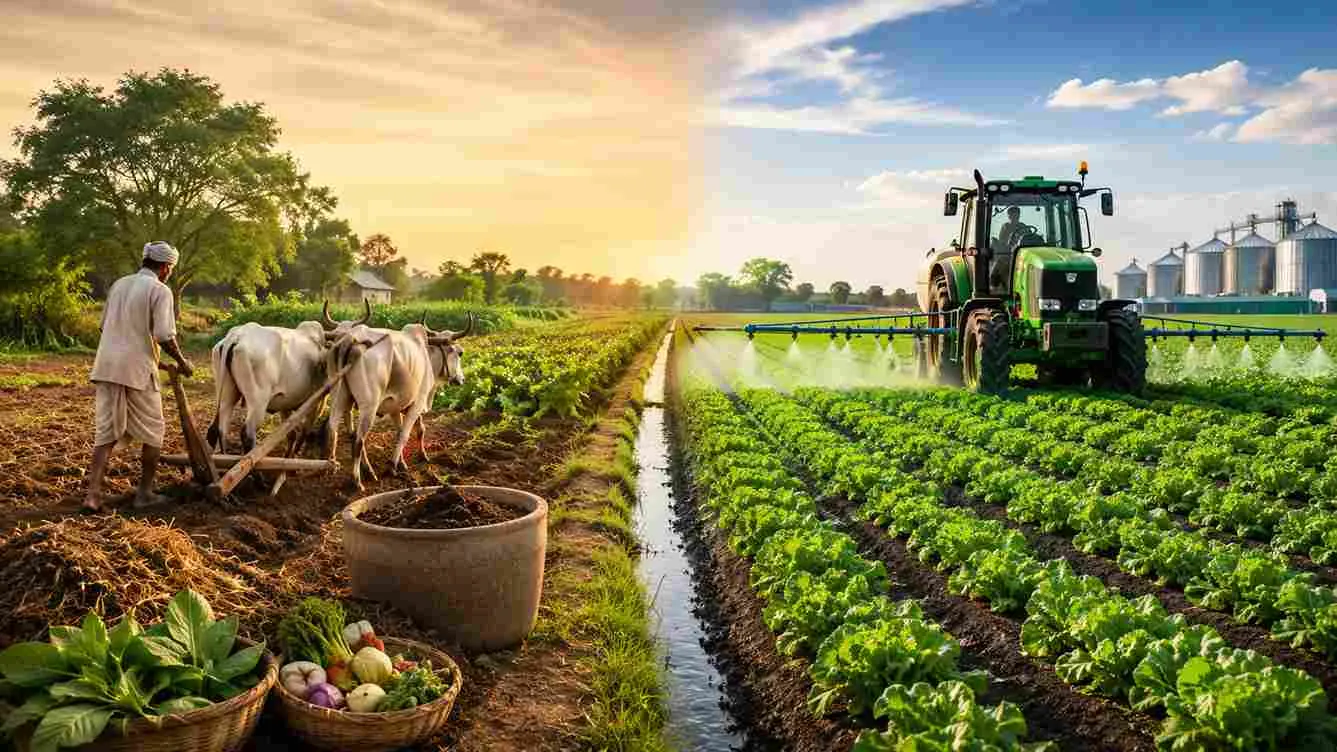
Also read: Organic Farming vs Modern Agriculture: Can India Feed 145 Crore People Without Chemical Fertilizers?
Preserving Culture Through Toys
Traditional toys reflect local materials, folklore, customs, and values. They serve as cultural bridges, helping children connect with their roots while developing an appreciation for India’s rich diversity.
In an era of globalization, these toys help preserve indigenous knowledge systems and cultural identities. Through stories, symbols, and craftsmanship embedded in them, children gain insights into their communities and traditions.
Government Initiatives Driving the Revival
Recognizing the significance of traditional toys, the Government of India has launched several initiatives to promote their revival. The National Toy Action Plan, Toycathon innovation challenge, and National Toy Fair have brought renewed attention to India’s toy-making heritage.
These initiatives aim not only to reduce dependence on imported plastic toys but also to showcase indigenous toys as valuable tools for education, sustainability, and employment. The integration of traditional toys into Anganwadi services further supports the goals of the NIPUN Bharat Mission, which seeks to achieve foundational literacy and numeracy by Grade 3.
Challenges in Mainstreaming Traditional Toys
Despite their potential, several challenges hinder the integration of traditional toys into mainstream education. Urbanization and globalization have increased the popularity of plastic and electronic toys that often lack cultural relevance.
Traditional toy-making communities are facing declining demand and inadequate institutional support. Additionally, many educators remain unfamiliar with the pedagogical value of these toys, and formal teacher training in toy-based learning remains limited.
Making Traditional Toys a Part of Everyday Learning
To fully realize their educational potential, traditional toys must be systematically integrated into teaching and learning processes. Teacher education programmes should include modules on play-based pedagogy and toy-assisted learning.
Curriculum developers should embed traditional games and toys into lesson plans, particularly during the foundational and preparatory stages. NCERT, SCERTs, and other educational bodies can play a key role in designing textbooks and activity books that incorporate regionally relevant toys and games.
Research, Documentation, and Community Participation
There is a pressing need to document and research the pedagogical value of traditional toys. Interdisciplinary studies involving educators, child development experts, anthropologists, and artisans can help create a structured understanding of their educational benefits.
A national repository of traditional toys and games, detailing their educational applications and developmental outcomes, would be immensely valuable. Schools can also collaborate with local artisans through workshops and demonstrations, fostering respect for indigenous knowledge while supporting traditional livelihoods.
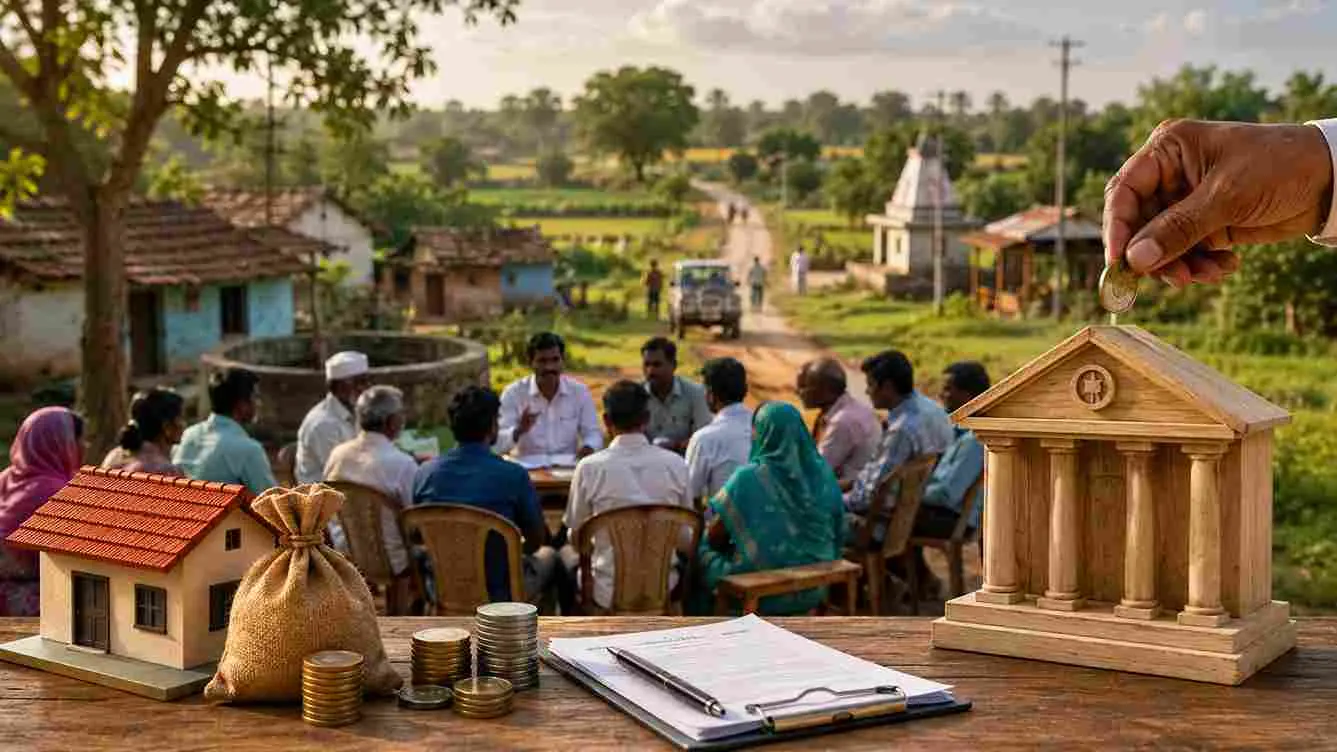
Also Read: Biogas: Powering India's Energy Independence and Farmer Incomes.
Linking Education with Livelihoods
Traditional toys offer significant opportunities for skill development and entrepreneurship. Toy-making can be introduced as a vocational subject from middle school onwards, aligning with NEP 2020’s focus on experiential and skill-based learning.
Such initiatives can create livelihood opportunities for artisan communities while encouraging students to appreciate craftsmanship, creativity, and sustainable production practices.

Traditional Toys and Sustainable Education
Integrating traditional toys into education also promotes environmental sustainability. Most traditional toys are made from biodegradable, locally sourced, and non-toxic materials, unlike many mass-produced plastic alternatives.
The establishment of toy-based learning labs, innovation centres, and community or school-based toy libraries can improve access to these resources, particularly in under-resourced settings. Such initiatives would foster both environmental awareness and inclusive learning opportunities.
Building a Joyful and Rooted Learning Ecosystem
A comprehensive strategy is required to mainstream traditional toys within India’s education system. This includes strengthening teacher training, supporting artisans, developing toy libraries, promoting research, and integrating toy-making into vocational education.
By creating stronger linkages between education, culture, sustainability, and local economies, traditional toys can become powerful instruments of transformative learning.
More Than Toys, Instruments of Learning
Traditional Indian toys are not merely nostalgic artifacts or cultural symbols; they are dynamic pedagogical tools capable of transforming early childhood and school education. The NEP 2020 provides a visionary framework that places play, creativity, culture, and indigenous knowledge at the heart of learning.
By systematically integrating traditional toys into education—from ECCE to upper primary and beyond—we can create a learning ecosystem that is joyful, rooted, inclusive, and holistic. In doing so, India can preserve its cultural heritage, support local economies, promote sustainability, and nurture generations of learners who are not just literate, but truly educated.
Author Details

Dr. Antarjeeta Nayak is a researcher and columnist with a Ph.D. in Economics from NIT Rourkela and a recipient of ICSSR Doctoral and Post-Doctoral Fellowships. Her research focuses on poverty and tribal development.
Reader Feedback
Was this article useful?
Stay Connected
Get the next important story before you miss it.
Subscribe to the newsletter for trusted updates, or join our WhatsApp channel for quick top-story alerts from The Eastern Times.
WhatsApp Channel
Prefer instant alerts? Join our WhatsApp channel for top stories and breaking updates.
Join on WhatsApp