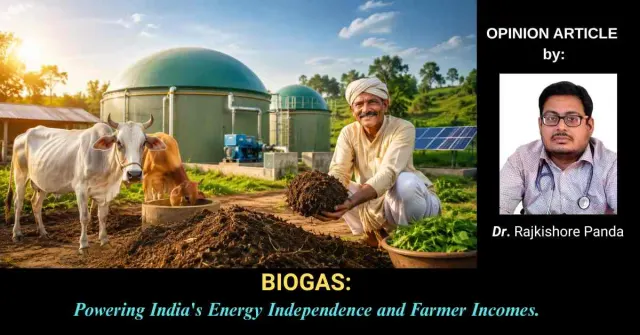
Biogas: Powering India's Energy Independence and Farmer Incomes.
Quick Summary
- Biogas can turn organic waste into clean energy, reducing dependence on LPG and imported fuels.
- Farmers can earn extra income by supplying cow dung and agricultural waste to biogas plants.
- Wider adoption of biogas can improve energy security, reduce pollution, and support rural development.
The ongoing geopolitical tensions across different parts of the world have once again exposed the vulnerability of global energy markets. Disruptions in the transportation of LPG, crude oil, and related petroleum products have raised concerns about energy security and fuel availability.
This situation brings an important question before India: should the country strengthen alternative sources of fuel to reduce dependence on imported energy?
India already possesses a largely untapped resource that is often treated as waste. Organic waste, which is commonly discarded, can be transformed into a valuable source of clean energy through the production of biogas.
Biogas is a combustible mixture of gases produced when bacteria decompose organic matter in the absence of oxygen. Its primary component is methane (CH₄), which burns efficiently and releases energy. Since the gas is generated through biological processes, it is known as biogas.
The traditional cow-dung gas plant is one of the most familiar examples of biogas technology. However, the potential extends far beyond cattle waste.
India generates nearly 62 million tonnes of solid waste every year, and almost half of it is organic. Crop residues, animal manure, food waste, and urban organic waste can all be used for biogas production.
When biogas is purified to contain more than 95% methane and compressed at high pressure, it becomes Compressed Biogas (CBG). Like CNG, CBG can be used as vehicle fuel. It can also be used for cooking and electricity generation.
Also Read: What Mistakes Have Made Bhubaneswar Unbearable to Live in During Summer?
Government Initiatives
Recognizing this potential, the Government of India launched the Sustainable Alternative Towards Affordable Transportation (SATAT) initiative in 2018.
The scheme aims to establish biogas plants across the country and promote the use of CBG in transportation, thereby reducing dependence on petrol and diesel.
By 2025, around 100 CBG plants are operational under the scheme, while many more are under construction. Expanding this network could support cleaner cooking, improved transportation systems, and better waste management.
Environmental and Economic Benefits
India's rural areas generate enormous quantities of crop residues and cow dung every year. At the same time, urban India produces around 60 million tonnes of waste annually, more than half of which is organic.
When organic waste is dumped in landfills, it decomposes and releases methane into the atmosphere, contributing to climate change. Accumulated garbage also creates breeding grounds for diseases such as dengue and malaria.
Converting this waste into biogas offers a practical and environmentally friendly solution.
In rural areas, cooperative biogas plants can convert locally available waste into fuel. The residue left after gas extraction can be reused as organic manure, creating a circular and sustainable agricultural system.
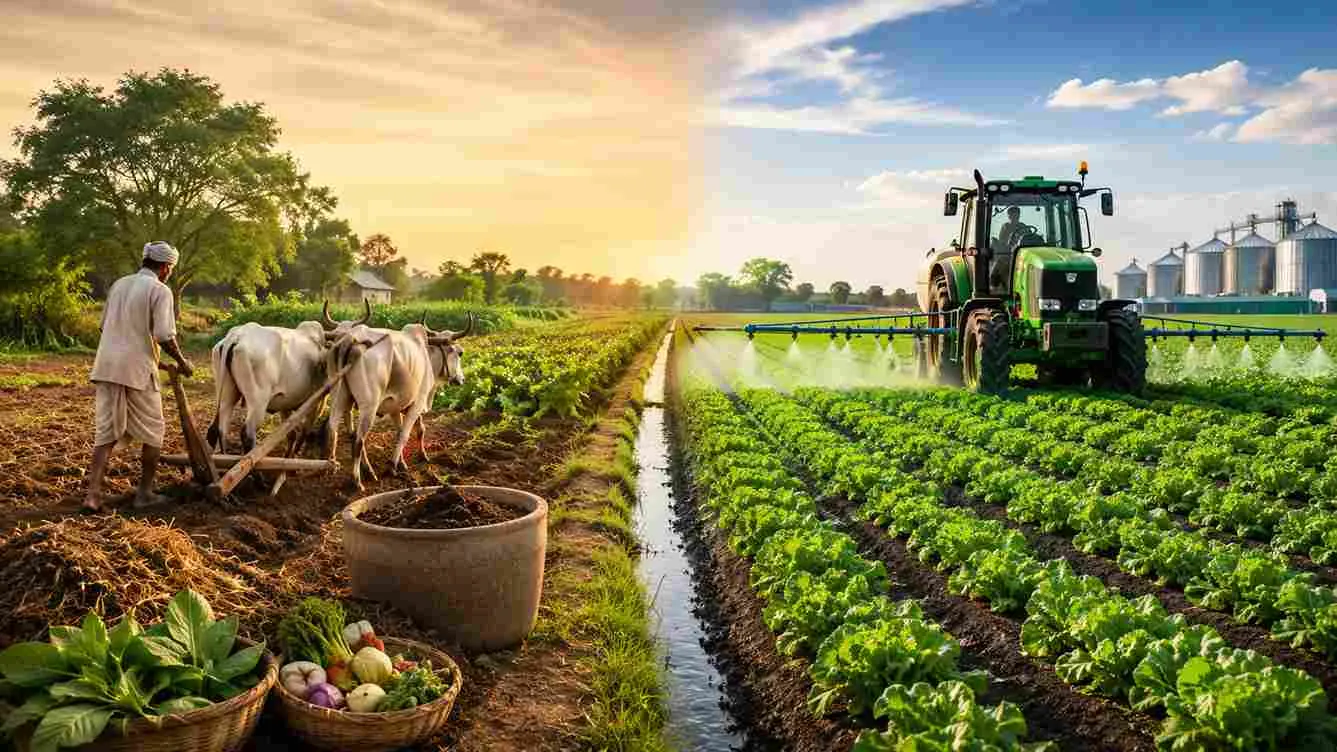
This cycle is simple yet effective: agricultural waste is converted into biogas, and the remaining slurry is returned to farms as fertilizer. Such a model reduces waste, improves soil health, and generates additional income for farmers.
In parts of Maharashtra and Punjab, farmers already sell crop residues and cow dung to biogas plants and receive payment in return.
Urban local bodies can also benefit. Municipalities can process organic waste collected from households, hotels, and markets to generate biogas while reducing the burden on landfills.
Industries such as textile mills and paper factories produce large quantities of organic waste as well. Converting this waste into biogas can help industries meet part of their energy needs while reducing environmental pollution.
Income Opportunities for Cattle-Rearing Farmers
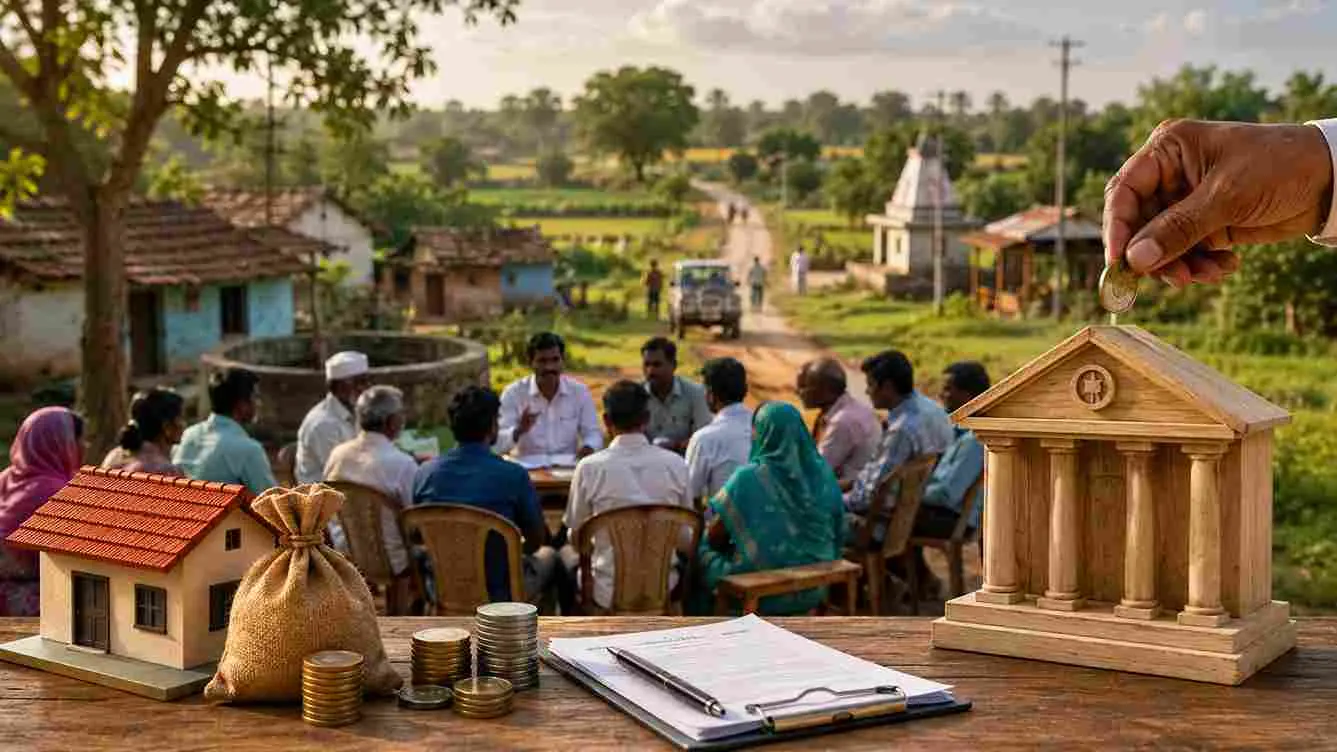
- Cow dung can become a valuable resource when supplied to biogas plants.
- Farmers can earn additional income by selling dung and other organic waste.
- The leftover slurry serves as high-quality organic manure, reducing fertilizer expenses.
- Even small and marginal farmers with a few cattle can benefit financially.
- Biogas creates a sustainable supplementary income source with minimal additional investment.
Future Potential
According to the International Energy Agency (IEA), India's consumption of biofuels—both liquid and gaseous—is expected to increase by 50% by 2030, helping reduce dependence on imported fossil fuels.
The World Biogas Association estimates that India could produce 62–90 million metric tonnes of biogas annually by fully utilizing its organic waste resources. This volume is equivalent to approximately 120% of the country's natural gas demand in 2024.
The association also notes that India currently has around 5 million operational biogas plants, representing a market worth $1.64 billion.
With an estimated annual growth rate of 10.2%, the market is projected to reach $3.49 billion by 2027. Among Indian states, Maharashtra has emerged as a leader in biogas development and implementation.
A Sustainable Path Forward
Biogas alone cannot immediately meet India's enormous energy demand. However, its potential to supplement the country's fuel requirements is significant.
A sustained push toward biogas production in agriculture, transportation, urban waste management, and industry can gradually reduce dependence on imported fuels and strengthen energy security.
Today, millions of tonnes of organic waste remain underutilized. Crop residues are burned, and urban organic waste is dumped in landfills.
By converting this waste into energy, India can build a decentralized, sustainable, and environmentally friendly fuel system—turning a major waste problem into a valuable national resource.
Author Details

Dr. Raj Kishore Panda (MBBS, PGPN) is a medical professional and commentator who writes on socio-economic affairs, geopolitics, environmental challenges, and public health issues.
Reader Feedback
Was this article useful?
Stay Connected
Get the next important story before you miss it.
Subscribe to the newsletter for trusted updates, or join our WhatsApp channel for quick top-story alerts from The Eastern Times.
WhatsApp Channel
Prefer instant alerts? Join our WhatsApp channel for top stories and breaking updates.
Join on WhatsApp