
UPI Dominates 49% of Global Payments — Why Do 75% people Threaten to Quit Over Fees?
 The Eastern Times
 Quick Summary
- UPI leads globally (49%), but 75% may quit if fees are added.
- Users prefer it because it’s free and may switch back to cash.
- Costs are high, making the current model hard to sustain.
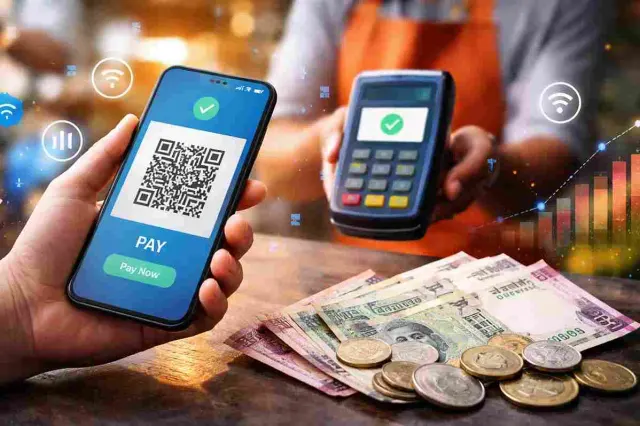
India’s Unified Payments Interface (UPI) has revolutionized global finance, now accounting for 49% of all real-time digital transactions worldwide. This rapid adoption highlights India's leadership in digital public infrastructure, offering a seamless, mobile-first ecosystem that continues to scale, drawing international interest as a model for cashless economies.
As of April 11, 2026, UPI officially completed 10 years of operations. Since its pilot launch in 2016, the platform has grown from a nascent system into the backbone of India's digital economy, processing over 21 billion transactions monthly.
75% of People says Will Stop Transactions if UPI Charges are Imposed
Most Indian consumers still want UPI transactions to remain completely free. Nearly two out of every three people have stated that if any fee is imposed on UPI transactions, they will abandon using it.
This was revealed by a large-scale survey conducted by LocalCircles. Among those surveyed, 75% clearly stated that no fee should be charged on UPI, and if it is, they will stop using the service. Only 25% of the people in the survey were willing to pay a fee for UPI transactions.
Why 75% may quit UPI if charges are added:
- People love free services: UPI grew because it’s free, like cash.
- Easy switch to cash: If fees come, many will go back to cash payments.
- Small payments matter: Even tiny charges hurt daily low-value transactions.
- No extra benefit: Users don’t see why they should pay for something already working well.
- Merchant issues: Shops may stop accepting UPI to avoid fees.
- Cost over convenience: For most users, saving money matters more than convenience.
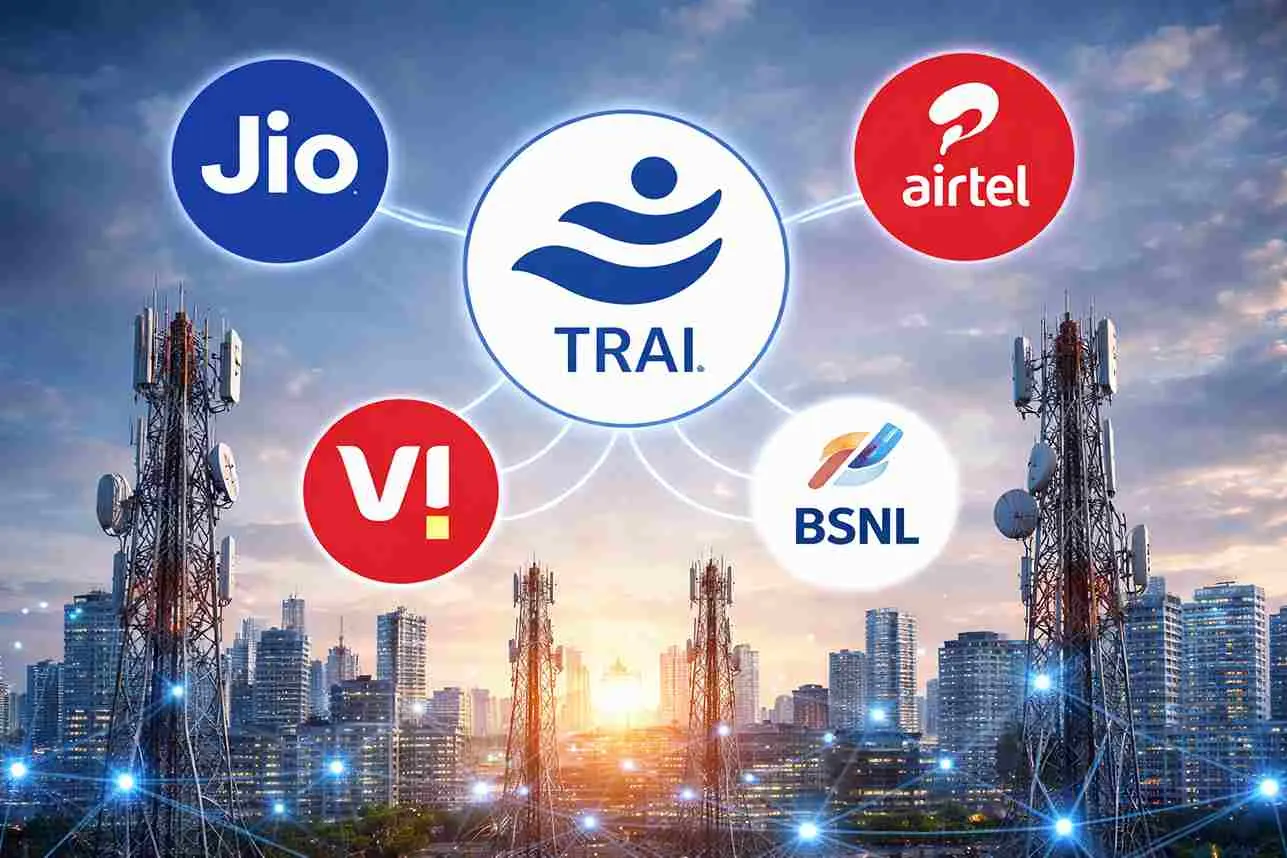


Currently Who is Bearing the operation cost
The government has allocated ₹2,000 crore for the current financial year to incentivize UPI and RuPay transactions.
While ₹2,000 crore sounds like a lot, the industry (banks/apps) argues it actually costs over ₹10,000 crore to maintain the infrastructure, security, and compliance needed for the massive volume of transactions we see today.
Because the government subsidy doesn't cover the full operational cost, banks and apps like PhonePe and Google Pay are largely absorbing the losses.
-
Infrastructure Costs: They pay for the servers, technical support, and fraud prevention measures.
-
Revenue Gap: These companies currently view UPI as a "loss leader"—a free service used to bring you into their ecosystem so they can try to make money elsewhere (like selling you insurance, loans, or mutual funds).
-
If you pay a merchant more than ₹2,000 using a "Prepaid Wallet" (like a Paytm or PhonePe wallet balance rather than your bank account), the merchant pays an interchange fee (usually 0.5% to 1.1%).
-
RuPay Credit Cards: When you link a RuPay credit card to UPI, the merchant pays a fee similar to a standard credit card swipe.
-
Since the Merchant Discount Rate (MDR) was waived in 2020, regular UPI transactions (bank-to-bank) are free for both you and the shopkeeper. However, running the system costs billions.
Currently, the financial burden is shared by these three groups:
1. The Central Government (Taxpayers)
2. Banks and Fintech Apps (The "Service Providers")
3. Large Merchants (Partial Contributors)
While everyday small payments are free, there are specific cases where the "other side" pays:
Why the Pressure is Building
As of April 2026, the industry is warning that this model is becoming "unsustainable." With UPI processing roughly 30 crore transactions every day, the cost of maintaining the tech is skyrocketing. This is why you are seeing more debate about introducing a small fee for large merchants or "power users" to help cover the bills.The question arises whether this model can continue, as banks are bearing the costs themselves, making it unsustainable in the long run since users are unwilling to pay platform fees.
Poll
Will you continue using UPI if transaction fees are introduced?
Reader Feedback
Was this article useful?
Stay Connected
Get the next important story before you miss it.
Subscribe to the newsletter for trusted updates, or join our WhatsApp channel for quick top-story alerts from The Eastern Times.
WhatsApp Channel
Prefer instant alerts? Join our WhatsApp channel for top stories and breaking updates.
Join on WhatsApp