
Why India Still Struggles to Become an Economic Superpower Despite 35 Years of Reforms
 The Eastern Times
 Quick Summary
- India still faces bureaucratic hurdles and slow approvals despite 35 years of economic reforms, affecting business growth and investment.
- Experts say faster reforms, better infrastructure, and transparent governance are necessary to attract both domestic and foreign investors.
- Stronger cooperation between central and state governments can help India create jobs, support startups, and become a global manufacturing hub.
More than three decades have passed since India embarked on its journey of economic liberalization, yet much remains to be done to unlock the nation’s full economic potential. NITI Aayog member Rajiv Gauba recently highlighted a critical flaw in India’s policy framework, observing that while the 1991 reforms dismantled industrial licensing structures, they failed to fully eliminate the deeply rooted “License Raj.” Speaking at the annual business summit of the Confederation of Indian Industry (CII), he underlined the need for a more decisive reform agenda.
Businesses Continue to Face Red Tape
Entrepreneurs and businesses in India still struggle with excessive approvals, licenses, and compliance rules. Starting or expanding a business often involves delays, bureaucracy, and administrative hurdles, discouraging many investors and industrialists.
Government Has Taken Some Positive Steps
The government has removed thousands of outdated compliance requirements and decriminalized several minor business-related provisions. Initiatives such as online approvals, GST digitization, and single-window clearance systems have improved the ease of doing business. However, experts believe reforms still need to move faster.
Also Read: Dubai Economy After Iran Attack: Is It Still Safe for Investors?
China’s Growth Offers a Lesson
China started economic reforms nearly 15 years before India and has now become the world’s second-largest economy. Countries like Vietnam and Indonesia are also attracting global industries by offering faster approvals and business-friendly policies. India must improve competitiveness to emerge as a global manufacturing hub.
Need for Better Investment Climate
India requires continuous foreign and domestic investment to maintain growth. However, rising capital outflows and slowing investment inflows remain concerns. Global uncertainties, including tensions in West Asia, have also affected investor confidence.
Domestic Investors Also Hesitant
Not only foreign investors, but many Indian business leaders are also cautious about investing in new industries. Slow approvals, corruption, policy uncertainty, and complex regulations often reduce enthusiasm for starting businesses.


Demand and Speed Matter
Businesses succeed when demand is strong and approvals are quick. Delays in project clearances, land acquisition, and environmental permissions often cause investors to miss profitable opportunities.
Importance of Infrastructure
Strong infrastructure plays a key role in attracting investment. Better roads, railways, ports, electricity, and logistics systems can reduce business costs and improve industrial growth across the country.
Role of States Is Equally Important
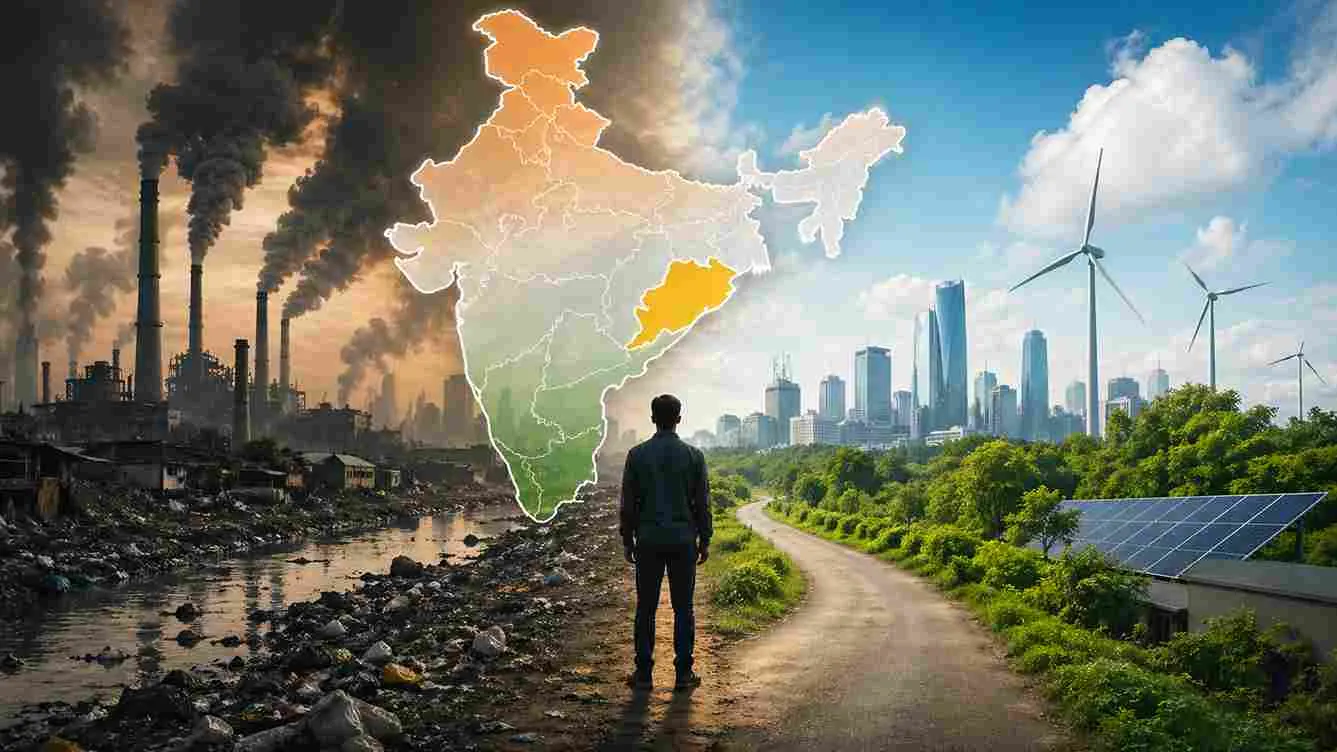
Although the central government has introduced reforms under Prime Minister Narendra Modi, industries often face difficulties at the state and local levels. Many approved industrial projects in states like Odisha are yet to become fully operational due to administrative and implementation challenges.
Small Businesses and Startups Need Support
Small businesses and startups are major sources of employment generation. Easier access to loans, simplified taxation, reduced compliance burdens, and transparent governance can help entrepreneurs expand faster and create more jobs.
Economic Reforms and Employment
India has one of the world’s largest youth populations. Faster economic reforms and industrial growth are essential to generate employment opportunities and reduce unemployment pressures.
India’s Long-Term Goal
India aims to become a $5 trillion economy and a major global manufacturing and investment destination. Achieving this goal will require faster reforms, policy stability, transparent governance, and stronger cooperation between the Centre and states.
A Joint Effort Is Necessary
Both the central and state governments must work together to accelerate economic reforms. A business-friendly environment is crucial for attracting investment, boosting industries, strengthening manufacturing, and creating sustainable employment opportunities for millions of Indians.
Reader Feedback
Was this article useful?
Stay Connected
Get the next important story before you miss it.
Subscribe to the newsletter for trusted updates, or join our WhatsApp channel for quick top-story alerts from The Eastern Times.
WhatsApp Channel
Prefer instant alerts? Join our WhatsApp channel for top stories and breaking updates.
Join on WhatsApp