Iran Restricts Strait of Hormuz Access, Allows India and Select Nations; Global Oil Prices Surge
 The Eastern Times
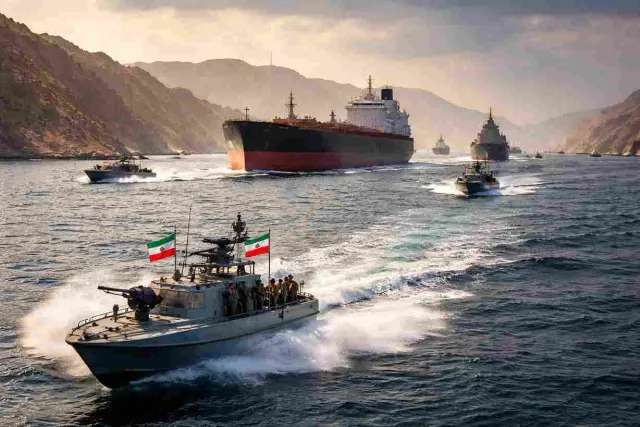
 In a significant escalation of the ongoing West Asia conflict, Iran has tightened its control over the Strait of Hormuz, one of the world’s most critical energy routes, while allowing limited access to a few “friendly” nations, including India, China, and Russia. The move has already sent shockwaves through global energy markets, triggering a sharp rise in oil and gas prices.
Selective Access in a “War Zone”
Iranian Foreign Minister Seyed Abbas Araghchi confirmed that despite the heightened tensions, Iran is permitting commercial shipping for select countries through the Strait.
He described the region as a “war zone”, making it clear that:
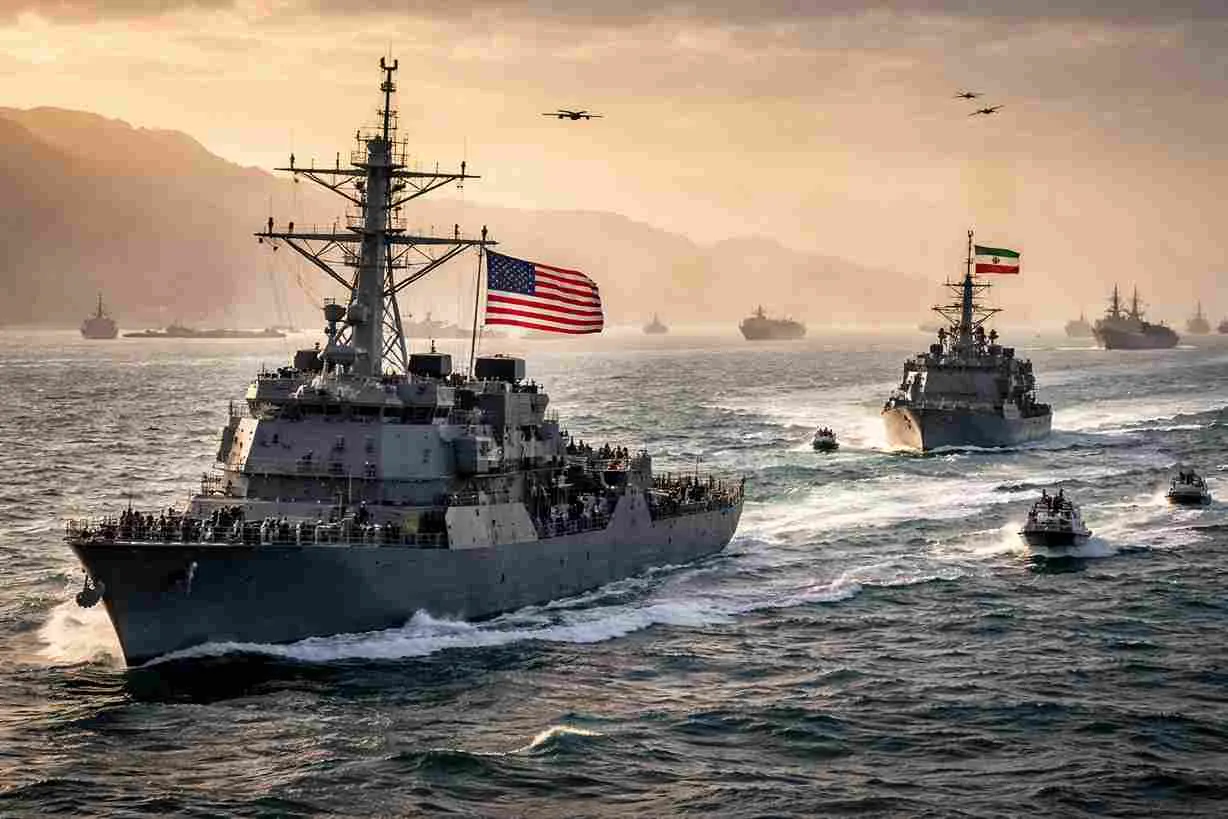
- Ships linked to Iran’s adversaries, particularly the United States and its allies, will not be allowed to pass.
- Friendly nations such as India, China, and Russia will continue to receive safe passage.
This selective access reflects Iran’s strategy to maintain economic ties while exerting geopolitical pressure on its rivals.
Why the Strait of Hormuz Is Crucial
The Strait of Hormuz, a narrow passage between the Persian Gulf and the Gulf of Oman, is a vital artery for global energy supply.
- Handles nearly 20% of global oil and LNG (Liquefied Natural Gas)
- Serves as a key route for energy exports from West Asia to the rest of the world
Any disruption in this corridor has immediate and far-reaching consequences for global fuel prices and supply chains.
A New Phase in Global Energy Politics
Iran’s decision to restrict access while allowing select nations marks a turning point in global energy geopolitics. By leveraging its control over the Strait of Hormuz, Tehran is not only influencing regional dynamics but also reshaping global trade and energy flows.
The move has:
- Increased uncertainty in global markets
- Deepened geopolitical divisions
- Raised the risk of a prolonged energy crisis
What Next?
As tensions continue to rise, the Strait of Hormuz has become the center of a high-stakes geopolitical and economic standoff. While countries like India, China, and Russia currently retain access, the broader uncertainty and escalating conflict pose serious risks to global stability.
The coming days will be crucial: whether diplomacy can defuse the situation or the world edges closer to a larger confrontation remains to be seen.
Reader Feedback
Was this article useful?
Stay Connected
Get the next important story before you miss it.
Subscribe to the newsletter for trusted updates, or join our WhatsApp channel for quick top-story alerts from The Eastern Times.
WhatsApp Channel
Prefer instant alerts? Join our WhatsApp channel for top stories and breaking updates.
Join on WhatsApp