
Supreme Court: Citizens Have Right to Criticise Judgments, Judiciary Should Not Be ‘Oversensitive’
 The Eastern Times
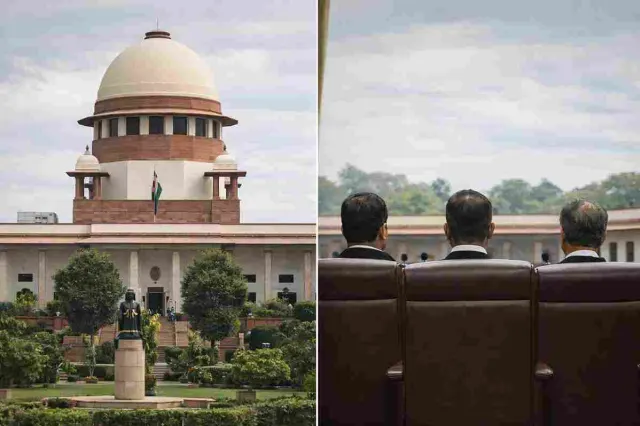
 NewDelhi: The Supreme Court of India on Friday made an important observation — people have the fundamental right to criticise court judgments, and the judiciary should not be “oversensitive” to such views.
A bench led by Chief Justice Surya Kant, along with Justice Joymalya Bagchi and Justice Vipul M. Pancholi, said that healthy criticism is part of a strong democracy.
What Did the Court Say?
The Chief Justice clearly stated:
-
People can express their opinions on court rulings
-
Even if someone feels a judgment goes against public interest, they can say so
-
Criticism of judgments is not an attack on the judiciary
The bench remarked:
“Why should the judiciary be so oversensitive? People have a right to criticise our judgments.”
What Was the Case About?
The court was hearing a petition against an old NCERT Class 8 Social Science textbook.
-
The book mentioned that some recent judgments view slum dwellers as encroachers
-
The petitioner wanted this line removed
The Supreme Court refused to delete it, saying:
-
It is just a viewpoint, not an insult
-
Textbooks can present different perspectives
Centre Forms Expert Committee
During the hearing, the Central Government informed the court that a high-level expert committee has been formed to review content related to the judiciary.
Members include:
-
Former Attorney General K.K. Venugopal
-
Former Supreme Court judge Justice Indu Malhotra
-
Former SC judge Justice Aniruddha Bose
Free Speech vs Contempt
This ruling reinforces an important principle:
-
Fair and reasonable criticism is allowed
-
Personal attacks on judges can amount to contempt of court
The court made it clear that disagreeing with a judgment is not a crime — it is a democratic right.

Why This Matters
-
Strengthens freedom of speech
-
Encourages public debate on judgments
-
Shows that courts are open to scrutiny
This decision highlights that in a democracy, questioning decisions — even of the highest court — is both allowed and necessary.
Reader Feedback
Was this article useful?
Stay Connected
Get the next important story before you miss it.
Subscribe to the newsletter for trusted updates, or join our WhatsApp channel for quick top-story alerts from The Eastern Times.
WhatsApp Channel
Prefer instant alerts? Join our WhatsApp channel for top stories and breaking updates.
Join on WhatsApp