Global Internet in Danger? Iran War and Houthi Cable Threat Raise Alarm
 The Eastern Times
 The ongoing conflict in the Middle East is becoming more serious with each passing day. Instead of easing, the situation is intensifying, and its impact is now being felt beyond oil and fuel supplies.
India is already dealing with rising LPG concerns and pressure from global energy markets. Now, another major risk is emerging — one that could affect everyday life across the world: internet connectivity.
Houthi Threat to Undersea Cables
Amid growing tensions involving Iran, United States, and Israel, Yemen’s Houthi rebels have stepped up their involvement.
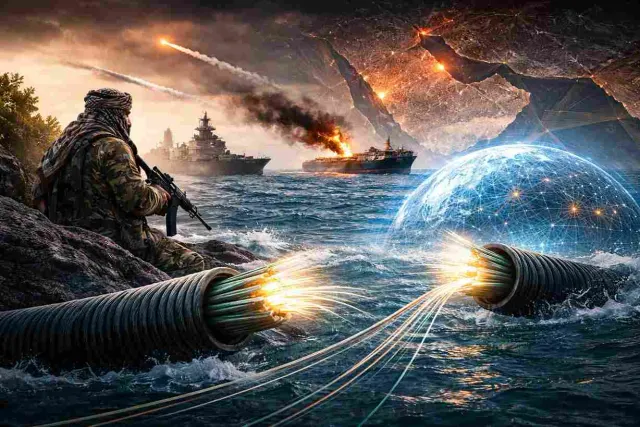
The Houthis, who are believed to be backed by Iran, have threatened to target undersea fiber optic cables in the Red Sea. These threats have mainly surfaced on social media, but they have raised serious global concerns.
There has been no official confirmation from Iran regarding such actions, but the possibility itself is worrying.
Why These Cables Are Important
The undersea cables passing through the Red Sea are a crucial part of the global internet system. Nearly 15% of the world’s international data flows through these routes.
They support essential services such as:
- Internet and Wi-Fi connectivity
- Emails and video calls
- Digital payments and banking systems
- Online platforms and applications
Any damage to these cables could disrupt daily life on a large scale.
A Known Vulnerability
This is not the first time such infrastructure has been at risk.
In September 2025, multiple undersea cables were damaged, affecting internet connectivity across parts of South Asia and the Middle East. This incident highlighted how sensitive and vulnerable these global networks are.
Possible Impact on India
India is connected to the global internet through about 17 international cables linked to landing stations in cities like Mumbai, Chennai, Kochi, Tuticorin, and Thiruvananthapuram.
If disruptions occur in the Red Sea region, India could experience:
- Slower internet speeds
- Interruptions in digital payments, including UPI
- Disruptions in online services
- Temporary network outages
Even though the issue originates far from India, its effects could still be significant.
A Growing Global Concern
The situation in the Red Sea is no longer limited to regional conflict. It is now emerging as a serious threat to global digital infrastructure.
If undersea cables are targeted or damaged, the consequences could extend across communication systems, financial networks, and everyday digital services worldwide.
Who are the Houthis, and why they threatning ?
The Ansar Allah (Houthis) are a Yemen-based armed group. They oppose Western and Israeli influence and support Iran. They threaten attacks in the Red Sea, targeting ships and undersea cables using missiles, drones, and sabotage, aiming to disrupt global trade and communication routes.
Reader Feedback
Was this article useful?
Stay Connected
Get the next important story before you miss it.
Subscribe to the newsletter for trusted updates, or join our WhatsApp channel for quick top-story alerts from The Eastern Times.
WhatsApp Channel
Prefer instant alerts? Join our WhatsApp channel for top stories and breaking updates.
Join on WhatsApp