Advertisement

NASA Launches Artemis II Moon Mission: First Crewed Lunar Journey Since 1972
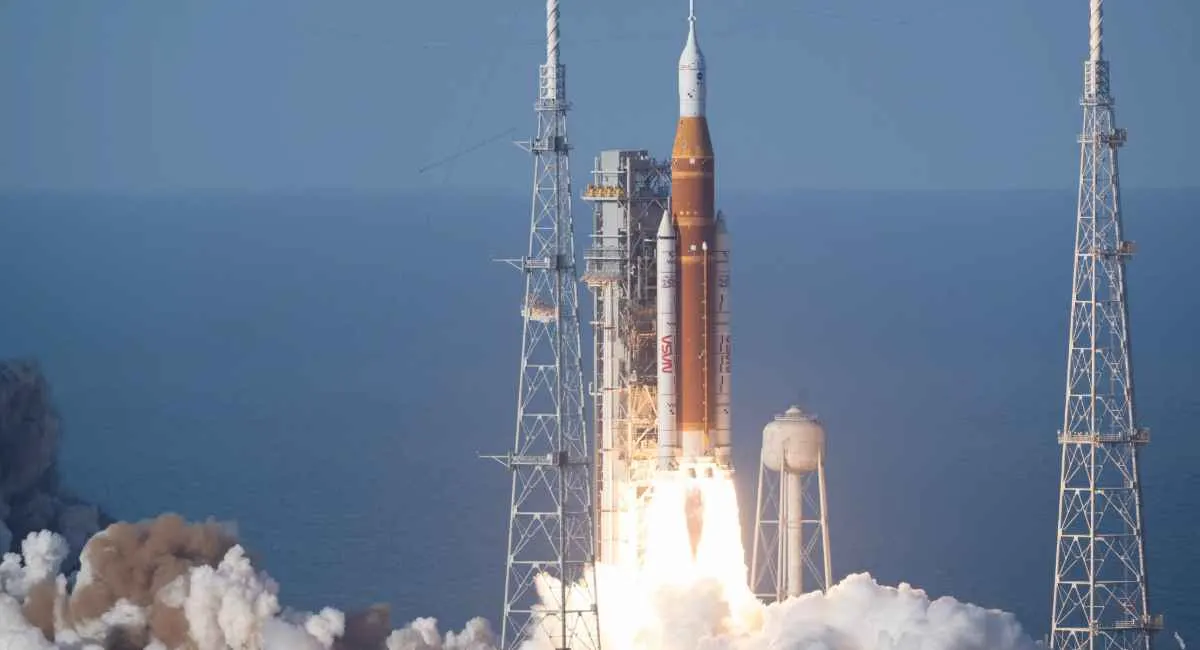
The NASA successfully launched the Artemis II mission on April 1, 2026, from the Kennedy Space Center in Florida. This is the first time humans are traveling toward the Moon since the Apollo 17 mission in 1972.
Mission Overview
Artemis II is a crewed lunar flyby mission and will not land on the Moon. Its main goal is to test the Orion spacecraft and Space Launch System rocket in deep space. The spacecraft will travel around the far side of the Moon and return to Earth using a free-return trajectory. The mission is expected to last about 10 days.
The Crew
The four astronauts are Reid Wiseman, Victor Glover, Christina Koch, and Jeremy Hansen. This mission is important because it includes the first woman, the first person of color, and the first non-American astronaut to travel toward the Moon.

Artemis II Launch
Current Status
As of April 2, the crew is in Earth’s orbit and has successfully completed initial system checks. The next major step is the engine burn that will send the spacecraft toward the Moon.
Why It Matters
Artemis II is an important step for future space missions. It will help prepare for landing humans on the Moon again and support long-term plans for space exploration, including missions to Mars.
Reader Feedback
Was this article useful?
Stay Connected
Get the next important story before you miss it.
Subscribe to the newsletter for trusted updates, or join our WhatsApp channel for quick top-story alerts from The Eastern Times.
WhatsApp Channel
Prefer instant alerts? Join our WhatsApp channel for top stories and breaking updates.
Join on WhatsApp