
What Mistakes Have Made Bhubaneswar Unbearable to Live in During Summer?
Quick Summary
- Unplanned urbanization, climate-insensitive construction, and the loss of green cover have transformed Bhubaneswar from a relatively cool city into a heat-trapping concrete landscape.
- Rising temperatures, high humidity, pollution, shrinking water bodies, and the urban heat island effect are affecting public health, productivity, and the city's overall livability.
- The solution lies in sustainable urban planning, protecting green spaces and water bodies, promoting climate-responsive architecture, and balancing development with environmental sustainability.
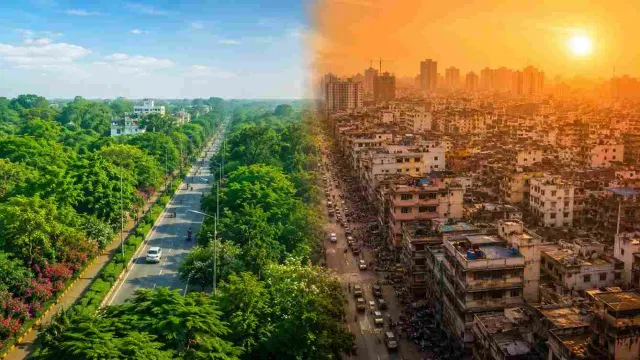
There was a time, just 15–20 years ago, when Bhubaneswar was considered a well-developed and highly livable city. Even during hot summer afternoons, cool breezes would flow through its tree-lined streets and open spaces, making the weather far more pleasant than it is today.
However, with rapid and largely unplanned urbanization, summers have become increasingly unbearable, even inside homes. Our own mistakes have gradually turned the city into a pressure cooker. The combination of rising temperatures and high humidity makes daily life extremely uncomfortable. In many parts of the city, stepping outside even at 7 a.m. can feel exhausting.
While climate change has played a role, many of these problems are the result of our own actions. Through unchecked construction, shrinking green cover, disappearing water bodies, and poor urban planning, we have created a city that traps heat rather than cools it. These mistakes were not made by others—they were made by us.
Reasons Behind Bhubaneswar's Rising Summer Heat
1. Architecture and Urban Planning Mistake
- Modern buildings prioritize aesthetics over Odisha's climatic conditions.
- Excessive use of concrete, glass facades, and heat-absorbing materials.
- Traditional cooling features such as courtyards, verandas, and natural ventilation are disappearing.
- Sustainable development principles are often ignored during implementation.
- Urban expansion focuses more on real estate growth than climate resilience.
- Poor enforcement of regulations related to green spaces, ventilation, and rainwater harvesting.
- Increasing dependence on air conditioners adds more heat to the urban environment.
2. Pollution and Urban Heat Island Effect
- Rapid increase in vehicle numbers has raised pollution levels.
- Traffic congestion generates additional heat and worsens air quality.
- Construction activities produce dust and environmental degradation.
- Air conditioners and generators release waste heat into the atmosphere.
- Commercial and industrial activities contribute to localized warming.
- Concrete-dominated urban areas absorb and retain heat, creating the Urban Heat Island Effect.
- Rising energy consumption further intensifies environmental stress.
3. Loss of Green Cover and Water Bodies
- Bhubaneswar is gradually transforming into a concrete jungle.
- Large-scale tree cutting has reduced natural shade and cooling.
- Urban forests are shrinking due to development projects.
- Ponds, wetlands, and water bodies are disappearing because of encroachment.
- Open spaces are increasingly replaced by buildings and paved surfaces.
- Reduced groundwater recharge and declining soil moisture intensify heat.
- Lack of green belts and parks limits natural temperature regulation.
- Climate change combined with ecosystem destruction is making heatwaves more severe.
Why Nights Are Becoming More Difficult
- Unlike earlier years, temperatures now remain high even after sunset because concrete roads, buildings, and paved surfaces absorb heat throughout the day and release it slowly at night.
- The Urban Heat Island Effect prevents the city from cooling down naturally after dark.
- High humidity further increases discomfort by reducing the body's ability to cool itself through sweating.
- Warm nights disrupt sleep, causing fatigue, stress, reduced productivity, and long-term health issues.
- Increased dependence on air conditioners raises electricity bills and energy consumption.
- In many parts of Bhubaneswar, nights that once brought relief from the daytime heat now remain hot and uncomfortable, making summers difficult around the clock.
Impact on Public Health
- More cases of heatstroke, dehydration, and heat exhaustion.
- Higher risks for children, elderly people, and outdoor workers.
- Air pollution worsens respiratory diseases such as asthma and bronchitis.
- Extreme heat increases cardiovascular stress.
- Hot nights affect sleep, productivity, and mental well-being.
- Reduced outdoor activities negatively impact physical health.
- Heat stress contributes to anxiety, irritability, and lower quality of life.
Impact on Economy
- Rising electricity bills due to increased cooling needs.
- Reduced productivity among outdoor workers and laborers.
- Businesses face higher operational costs.
- Healthcare expenditure increases due to heat-related illnesses.
- Water shortages strain public infrastructure and government finances.
- Tourism and outdoor economic activities may decline during peak summer.
- Heatwaves can delay construction and other economic activities.
- Growing demand for cooler neighborhoods may increase urban inequality.
What Actions Should We Take?
- Plant and protect more trees across the city, especially along roads and residential areas.
- Preserve existing urban forests and create new green belts.
- Protect ponds, lakes, wetlands, and other water bodies from encroachment.
- Promote climate-responsive architecture suited to Odisha's weather conditions.
- Encourage rooftop gardens and vertical greenery in buildings.
- Reduce excessive use of concrete and increase permeable surfaces.
- Improve public transport to reduce vehicle emissions and traffic congestion.
- Develop more parks, open spaces, and shaded pedestrian pathways.
- Strictly enforce environmental and urban planning regulations.
- Make rainwater harvesting mandatory in all major buildings.
- Adopt cool-roof technologies and reflective building materials.
- Increase public awareness about sustainable urban living.
- Conduct regular urban heat assessments before approving major projects.
- Prioritize sustainable development over unchecked real estate expansion.
- Create a long-term climate resilience plan for Bhubaneswar.
Why it Matters?
Bhubaneswar's worsening summer conditions are not just a consequence of climate change. They are also the result of years of climate-insensitive planning, rising pollution, and the destruction of green and blue spaces. Unless the city adopts sustainable urban planning, protects its natural ecosystems, and embraces climate-responsive development, summers will continue to become harsher, affecting both public health and economic growth.
Bhubaneswar is not alone in facing this challenge. Across India, many rapidly growing cities are experiencing rising temperatures, shrinking green cover, disappearing water bodies, and worsening urban heat. As cities expand, the choice is no longer between development and sustainability—it is about achieving both together. If we fail to adopt climate-sensitive planning today, our cities may become economically successful but increasingly difficult to live in. The time to act is now, before today's discomfort turns into tomorrow's crisis.
Author Details

Editor, writer, and columnist focused on social, economic, and key national issues, delivering insightful analysis, informed perspectives, and impactful commentary that informs public discourse and engages a wide audience.
Reader Feedback
Was this article useful?
Stay Connected
Get the next important story before you miss it.
Subscribe to the newsletter for trusted updates, or join our WhatsApp channel for quick top-story alerts from The Eastern Times.
WhatsApp Channel
Prefer instant alerts? Join our WhatsApp channel for top stories and breaking updates.
Join on WhatsApp