
Why Has the PESA Act Not Been Implemented in Odisha Till Today? And Why Is the Government Bringing It Before Panchayat Elections?
 The Eastern Times
 Quick Summary
- The PESA Act, passed in 1996, was not fully implemented in Odisha due to delays in framing rules, administrative challenges, and concerns over land, forest, and mining rights.
- The Odisha government now plans to implement the Act before Panchayat elections after completing consultations with departments, tribal groups, and the Tribal Advisory Committee.
- Once implemented, Gram Sabhas in 13 districts will gain greater powers over local governance, development decisions, and protection of tribal resources and rights.
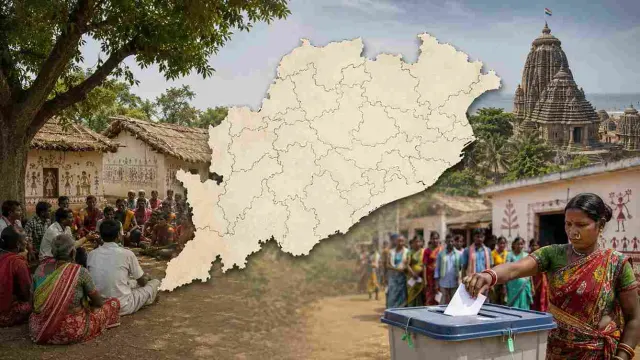
The Odisha government is preparing to implement the Panchayats (Extension to Scheduled Areas) Act, 1996, commonly known as the PESA Act, before the upcoming Panchayat elections. The move is being seen as a major step toward strengthening tribal self-governance in Scheduled Areas of the state.
The BJP had promised implementation of the PESA Act in its election manifesto. Now, ahead of completing two years in office, the government says all major preparations for implementation have been completed.
Why Was the PESA Act Delayed in Odisha?
Although the Central Government passed the PESA Act in 1996, Odisha did not fully implement it for nearly three decades. The biggest reason was the delay in framing detailed state rules needed to enforce the law.
1. Delay in Framing Rules
The Act required states to prepare their own rules for implementation in Scheduled Areas. Odisha took several years to prepare these operational guidelines. Draft rules were released only in 2023.
2. Administrative and Legal Challenges
Implementation required coordination among several departments, including:
-
Panchayati Raj
-
Tribal Affairs
-
Forest
-
Revenue
-
Mining
This made the process legally and administratively complicated.
3. Concerns Over Land and Mining Rights
The PESA Act gives more powers to Gram Sabhas over:
-
Land use
-
Forest resources
-
Mining activities
-
Development projects
Experts believe there were concerns over how these powers could affect mining, industrial projects, and infrastructure development in tribal areas.
4. Lack of Political Priority
While previous governments discussed the issue, implementation did not move forward quickly. Political urgency around the law remained limited for years.
Government Says Preparations Are Complete
Panchayati Raj and Drinking Water Minister Rabi Narayan Naik said the state has completed all technical and administrative preparations related to the Act. The proposal is expected to be placed before the Cabinet soon.
The government has also:
-
Held discussions with around 49 departments
-
Consulted tribal leaders and social organisations
-
Studied implementation models from other states
-
Discussed the matter with the Tribal Advisory Committee (TAC)
After Cabinet approval, the Act will officially be implemented in the state.
What is the PESA Act?
The PESA Act was introduced in 1996 to extend Panchayati Raj powers to tribal and Scheduled Areas under the Fifth Schedule of the Constitution.
The law aims to:
-
Strengthen Gram Sabhas
-
Protect tribal traditions and culture
-
Safeguard natural resources
-
Promote self-governance in tribal areas
Under the Act, Gram Sabhas get stronger decision-making powers related to:
-
Village development
-
Forests and water resources
-
Land use
-
Welfare schemes
-
Social justice
In many cases, local approval becomes important before land acquisition or development projects.
Areas Covered in Odisha
Around 44.71% of Odisha’s geographical area will come under the PESA Act. The law will apply fully or partially in 13 districts of Odisha.
Districts Fully Covered
-
Mayurbhanj
-
Sundargarh
-
Koraput
-
Malkangiri
-
Nabarangpur
-
Rayagada
-
Kandhamal
Districts Partially Covered
-
Kendujhar
-
Gajapati
-
Sambalpur
-
Kalahandi
-
Balasore
-
Ganjam
Overall, around 19,319 villages under 2,029 Panchayats and 121 blocks are expected to come under the Act.
What Will Change After Implementation?
After implementation:
-
Gram Sabhas will become more powerful
-
Villagers will get a greater role in local governance
-
Tribal communities will have stronger rights over natural resources
-
Local bodies will gain more authority in Scheduled Areas
Experts say proper implementation of the PESA Act could become a major step toward tribal empowerment and grassroots democracy in Odisha.
Key Powers Given Under the PESA Act
1. Control Over Natural Resources
Gram Sabhas can help manage:
- Water bodies
- Forest produce
- Minor minerals
- Community land
2. Protection of Tribal Culture
The Act protects:
- Tribal customs
- Traditional practices
- Cultural identity
3. Approval for Development Projects
Before land acquisition or rehabilitation projects in Scheduled Areas, local Gram Sabhas must be consulted.
4. Control Over Minor Forest Produce
Tribal communities get rights over products like:
- Bamboo
- Honey
- Leaves
- Forest fruits
5. Prevention of Land Alienation
The Act helps prevent illegal transfer of tribal land to non-tribal people.
6. Monitoring Local Institutions
Gram Sabhas can supervise:
- Local markets
- Money lending
- Village-level institutions
Which Areas Come Under PESA?
The Act applies only to Scheduled Areas under the Fifth Schedule of the Constitution.
These are tribal-dominated areas in states like:
- Odisha
- Jharkhand
- Chhattisgarh
- Madhya Pradesh
- Maharashtra
- Gujarat
- Rajasthan
- Telangana
- Andhra Pradesh
However, not all states fully implemented the Act through notified rules. According to government and policy reports, states like Andhra Pradesh, Chhattisgarh, Gujarat, Himachal Pradesh, Maharashtra, Madhya Pradesh, Rajasthan, and Telangana have framed PESA rules, while Odisha and Jharkhand delayed full implementation for years. (source :PIB)
Possible Disadvantages and Challenges of the PESA Act
- Delay in Development Projects
Projects related to roads, mining, industries, or infrastructure may slow down due to mandatory Gram Sabha approvals. - Conflict Between Government and Villages
Differences between government plans and local community decisions can create disputes. - Administrative Complexity
Implementing the law requires coordination between many departments, making governance more complicated. - Risk of Local Power Misuse
Local influential groups or leaders may dominate Gram Sabha decisions in some villages. - Lack of Awareness
Many tribal communities may not fully understand their rights under the Act, limiting its effectiveness. - Impact on Mining and Investment
Stronger local control over land and resources may affect mining, industrial expansion, and private investments in tribal areas. - Legal Conflicts
The PESA Act may sometimes clash with forest, mining, and land acquisition laws, creating confusion in implementation.
Why It Matters
The PESA Act gives tribal communities more power over local governance, land, forests, and natural resources while strengthening Gram Sabhas in Scheduled Areas.
What Happens Next?
The Odisha government is expected to approve and implement the Act before Panchayat elections, giving Gram Sabhas greater authority in 13 districts of Odisha.
Reader Feedback
Was this article useful?
Stay Connected
Get the next important story before you miss it.
Subscribe to the newsletter for trusted updates, or join our WhatsApp channel for quick top-story alerts from The Eastern Times.
WhatsApp Channel
Prefer instant alerts? Join our WhatsApp channel for top stories and breaking updates.
Join on WhatsApp