
Red Sea Crisis Threatens India's Oil Supply as Saudi Tankers Turn Back
 The Eastern Times
 Quick Summary
- Three Saudi crude oil tankers carrying oil to India and China reversed course in the Red Sea after Houthi maritime threats.
- The disruption at the Bab el-Mandeb Strait, coupled with tensions around the Strait of Hormuz, has heightened concerns over India's energy security.
- Although India is sourcing crude through alternative routes such as the UAE's Fujairah terminal, prolonged disruptions could increase oil prices, shipping costs, and supply risks.
India's energy security is under renewed pressure as escalating tensions in West Asia disrupt two of the world's most critical maritime trade routes. With the Strait of Hormuz already under strain due to the Iran–U.S. conflict, fresh disruptions in the Bab el-Mandeb Strait have heightened concerns over crude oil supplies to Asia.
Three Saudi Oil Tankers Forced to Turn Back
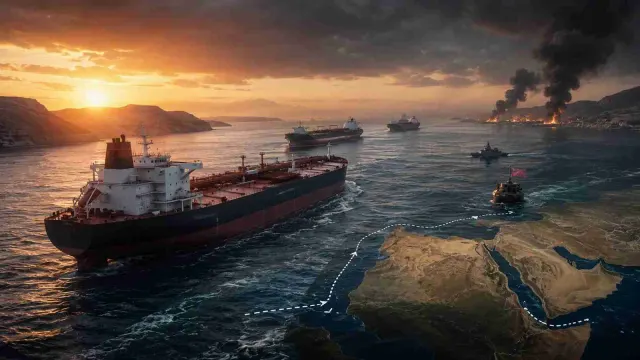
This week, three Saudi crude oil tankers—Jin Long Yang, Rotos, and Amazon—were forced to make U-turns in the Red Sea after the Houthi rebels intensified their maritime blockade.
The vessels were carrying crude oil to India and China, making the incident one of the clearest signs yet that the conflict is beginning to affect global energy shipments.
The development comes amid rising tensions involving Iran, the United States, Israel, and the Houthis, raising fears of wider disruptions across the region.
India's Oil Imports Under Watch
According to reports, Rotos and Amazon were transporting crude oil destined for India.
While oil shipments from non-Saudi exporters through the Bab el-Mandeb Strait have not yet faced major disruptions, Indian authorities are closely monitoring the situation.
To reduce immediate risks, India has continued sourcing crude through alternative routes, including the Fujairah oil terminal in the United Arab Emirates (UAE).
However, experts warn that if disruptions continue in both the Strait of Hormuz and Bab el-Mandeb, India's energy security could face significant long-term challenges.
Houthi Warning Raises Alarm
The crisis escalated further after the Houthi rebels reportedly sent emails to shipping companies, warning them not to load or unload cargo at Saudi Arabian ports.
The warning has increased uncertainty among shipping operators, insurers, and oil traders, forcing many companies to reassess their routes through the Red Sea.
Also Read: India's Middle Class Is Drowning in Debt: 60% Spend Entire Income on EMIs
Why Yanbu Port Matters
With traffic through the Strait of Hormuz becoming increasingly uncertain, Saudi Arabia's Yanbu Port on the Red Sea has emerged as a crucial alternative export hub.
The port is capable of exporting millions of barrels of crude oil every day, helping maintain global oil supplies when Gulf routes are disrupted.
Any prolonged disruption around Yanbu or the Bab el-Mandeb Strait could significantly affect global crude exports.
What It Means for India
India imports more than 85% of its crude oil requirements, making uninterrupted sea routes vital for its economy.
If the current crisis persists, India could face:
- Higher crude oil prices.
- Increased shipping and insurance costs.
- Longer delivery times.
- Inflationary pressure on fuel and essential commodities.
Although India currently has alternative sourcing options, prolonged instability across West Asia's maritime chokepoints could put sustained pressure on the country's energy security and import costs.
Reader Feedback
Was this article useful?
Stay Connected
Get the next important story before you miss it.
Subscribe to the newsletter for trusted updates, or join our WhatsApp channel for quick top-story alerts from The Eastern Times.
WhatsApp Channel
Prefer instant alerts? Join our WhatsApp channel for top stories and breaking updates.
Join on WhatsApp