Why Scientists Fear 2026’s Super El Niño Could Trigger India’s Worst Drought in Decades
How 2026’s Super El Niño Could Trigger India’s Next Big Economic Crisis
 The Eastern Times
 Quick Summary
- Scientists warn that the 2026 Super El Niño could become one of the strongest climate events in history, increasing the risk of severe drought, weak monsoon, and extreme heat across India.
- The event may affect agriculture, drinking water supply, electricity demand, food prices, public health, and the overall economy, creating pressure similar to a large-scale economic crisis.
- Experts say both the government and the public should begin preparations now through water conservation, heatwave planning, stronger infrastructure, and support for farmers and vulnerable communities.
Scientists across the world have issued a serious warning: 2026 could witness one of the most powerful El Niño events ever recorded. Several international climate models and leading agencies, including NOAA, suggest there is an 82% chance of El Niño developing between May and July, with the probability rising to 96% by early 2027.
Experts fear this event could become even more destructive than the catastrophic 1997 El Niño, which triggered severe droughts, crop failures, and extreme weather across multiple continents. This time, however, the danger is greater because the planet is already experiencing record-breaking heat due to climate change.
What Is El Niño?
El Niño is a natural climate phenomenon that develops in the equatorial Pacific Ocean. Normally, strong trade winds push warm ocean water westward. During an El Niño event, these winds weaken or reverse, causing warm water to accumulate in the central and eastern Pacific. This disrupts global weather systems and alters rainfall patterns worldwide.
What Is Super El Niño?
Typically occurring every two to seven years, El Niño events last around 9–12 months. When ocean temperatures rise more than 2°C above average, the event is classified as a “Super El Niño.” The last major Super El Niño occurred during 2015–16. Scientists now fear that 2027 could bring an even stronger episode.
Global Weather Chaos Expected
The effects of El Niño vary from region to region, often creating climate extremes.
Countries such as Ecuador and Peru could experience devastating floods and torrential rainfall. Australia and Indonesia may face intense droughts and widespread forest fires. Southern Africa is at risk of severe drought and possible famine conditions.
Meanwhile, parts of South America could witness unusually heavy winter rainfall, while northern regions may experience extreme heat. Scientists also predict reduced hurricane activity in the Atlantic Ocean but stronger storm activity in the Pacific.
Why the 2026 El Niño Is More Dangerous
What makes the coming El Niño especially alarming is the condition of the oceans today. Global sea surface temperatures have already reached unprecedented levels because of human-driven climate change.
According to NOAA, enormous amounts of warm water are already building beneath the Pacific Ocean surface. As this heat rises upward, it could rapidly intensify El Niño conditions.
Some climate projections indicate that Pacific Ocean temperatures could rise by nearly 3°C by late 2027 — a level capable of pushing global temperatures to historic highs during 2026–27.
Scientists warn that this event may not simply shift weather patterns. It could amplify existing crises such as heatwaves, droughts, water scarcity, and food insecurity around the world.
Lessons From History
The 1997–98 El Niño remains one of the deadliest climate events in modern history. Countries including India, China, Thailand, and several African nations experienced severe droughts and agricultural collapse.
Millions of people worldwide were affected by food shortages and extreme weather conditions. Similar disruptions were also witnessed during the powerful El Niño episodes of 1982–83 and 2015–16.
The 2015–16 Super El Niño contributed to record global temperatures, devastating droughts, floods, and widespread environmental damage. Scientists believe the 2027 event could be even more destructive because today’s world is significantly hotter than it was during previous El Niño cycles.
India Faces Major Risks
India is among the countries most vulnerable to a strong El Niño because of its dependence on the southwest monsoon.
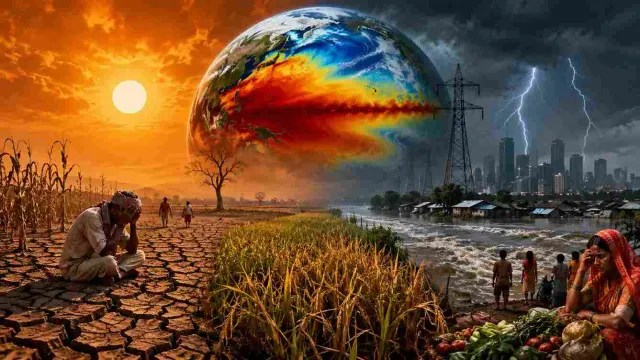
During major El Niño years, monsoon rainfall weakens considerably, increasing the risk of drought across several states. Regions such as Maharashtra, Madhya Pradesh, Uttar Pradesh, and Bihar are particularly vulnerable.
Reduced rainfall could severely impact agriculture, lowering the production of rice, wheat, pulses, and other essential crops. Water shortages, rising temperatures, and crop losses may become major challenges.
Scientists also warn that atmospheric instability during El Niño years can increase lightning activity and extreme weather incidents in several parts of India.
Lower agricultural output across India and Southeast Asia could eventually push food prices higher, affecting millions of people.
Also Read: Why India Still Struggles to Become an Economic Superpower Despite 35 Years of Reforms
Major Threats of the 2026 Super El Niño
• Severe Drought Risk
A weak monsoon could lead to severe drought conditions across several Indian states, especially in central and western India.
• Weak Monsoon Rainfall
El Niño usually weakens the southwest monsoon, reducing rainfall needed for farming, drinking water, and reservoirs.
• Drinking Water Shortage
Cities and villages already facing groundwater depletion may experience serious water scarcity and stricter water rationing.
• Falling Reservoir and Groundwater Levels
Low rainfall can reduce water storage in dams, lakes, and rivers, affecting irrigation and daily water supply.
• Crop Damage and Lower Food Production
Production of rice, wheat, pulses, sugarcane, and vegetables may decline due to insufficient rainfall and extreme heat.
• Rise in Food Prices
Lower agricultural output may increase prices of essential food items such as rice, pulses, edible oils, and vegetables.
• Extreme Heatwaves
A Super El Niño could intensify summer temperatures, increasing the number of heatwave days across India.
• Heat-Related Illnesses and Deaths
Cases of heatstroke, dehydration, and heat-related health problems may rise, especially among children, elderly people, and outdoor workers.
• Increased Lightning and Extreme Weather
Atmospheric instability during El Niño years may increase lightning incidents and sudden extreme weather events.
• Pressure on Electricity Supply
Higher use of air conditioners, coolers, and irrigation pumps during extreme heat could sharply increase electricity demand.
• Reduced Hydropower Generation
Low reservoir levels may affect hydropower production, creating additional pressure on India’s power grid.
• Financial Stress on Farmers
Weak rainfall and crop losses may reduce farmers’ income and increase debt burdens in rural areas.
• Migration From Villages to Cities
Economic difficulties in drought-hit regions may force many people to move to cities in search of work.
• Forest Fires and Environmental Damage
Dry weather and rising temperatures could increase the risk of forest fires and damage wildlife habitats.
• Spread of Diseases
Warmer temperatures and changing rainfall patterns may help diseases like dengue and malaria spread faster.
• Impact on Fisheries and Marine Life
Rising ocean temperatures can trigger coral bleaching and damage fisheries, affecting coastal communities.
• Water Sharing Conflicts
Reduced river flow and water shortages may increase disputes between states over water sharing.
• Economic Slowdown
A poor monsoon season can reduce rural spending, slow economic growth, and increase government spending on relief and support measures.
Why It Matters
The 2026 Super El Niño could seriously impact India through drought, weak monsoon, water shortages, rising food prices, and extreme heatwaves. Just as the West Asia conflict triggered energy crises and inflation worldwide, a powerful El Niño could also create major economic and social pressure. Therefore, both the government and people should begin preparations early to reduce future risks.
Reader Feedback
Was this article useful?
Stay Connected
Get the next important story before you miss it.
Subscribe to the newsletter for trusted updates, or join our WhatsApp channel for quick top-story alerts from The Eastern Times.
WhatsApp Channel
Prefer instant alerts? Join our WhatsApp channel for top stories and breaking updates.
Join on WhatsApp