
Govt Cuts Petrol Excise Duty by ₹3: Will Fuel Prices Actually Drop?
 The Eastern Times
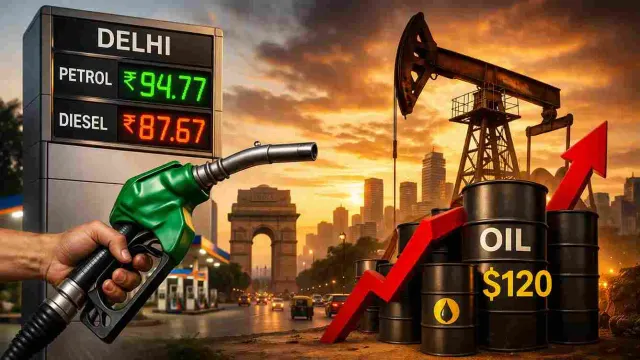
 The government’s recent decision to cut excise duty on petrol and diesel has not translated into lower fuel prices for consumers. Despite expectations of relief, petrol and diesel rates across major cities in India continue to remain unchanged.
According to a notification issued by the Finance Ministry on March 26, excise duty on petrol has been reduced from ₹13 per litre to ₹3 per litre, while diesel has been fully exempted from excise duty, down from ₹10 per litre. The move came as global crude oil prices surged sharply due to escalating tensions in the Middle East.
State-run oil marketing companies such as Indian Oil Corporation, Bharat Petroleum, and Hindustan Petroleum have been under significant financial pressure. Despite rising crude prices, these companies have not increased retail fuel prices, leading to losses estimated between ₹24 and ₹30 per litre.
The situation has been aggravated by the ongoing conflict involving the United States, Israel, and Iran. Iran’s move to block the Strait of Hormuz—a critical global oil transit route—has disrupted supply chains. India, which imports nearly 88% of its crude oil, has been directly impacted by these developments.
International crude prices touched nearly $119 per barrel earlier this month and are currently hovering around $100 per barrel. According to ICRA, oil companies could still incur losses of ₹11 per litre on petrol and ₹14 per litre on diesel if prices remain in this range.
While state-owned retailers, which control about 90% of the market, have kept prices stable, private players have started reacting. Nayara Energy has increased petrol and diesel prices by ₹3–₹5 per litre to offset rising input costs. However, Jio-bp has not yet revised its prices despite facing similar pressures.


Currently, petrol prices remain unchanged across major cities:
-
New Delhi: ₹94.77 per litre
-
Mumbai: ₹103.44 per litre
-
Bengaluru: ₹102.96 per litre
-
Kolkata: ₹105.41 per litre
The government is estimated to be absorbing a revenue impact of around ₹1.5 lakh crore to prevent a sharp rise in fuel prices.
Will People Get Petrol at a Lower Price?
In the short term, the answer is no. The excise duty cut is not being passed on as a direct price reduction to consumers. Instead, it is being used to offset the heavy losses faced by oil companies due to high global crude prices.
In fact, without this tax cut, petrol prices could have increased by ₹15–₹20 per litre. The government’s move is essentially acting as a buffer to keep prices stable rather than making fuel cheaper.
Consumers may only see a reduction in petrol prices if global crude oil prices fall significantly or if supply conditions improve. Until then, the current stability in prices is likely to continue.
Reader Feedback
Was this article useful?
Stay Connected
Get the next important story before you miss it.
Subscribe to the newsletter for trusted updates, or join our WhatsApp channel for quick top-story alerts from The Eastern Times.
WhatsApp Channel
Prefer instant alerts? Join our WhatsApp channel for top stories and breaking updates.
Join on WhatsApp