
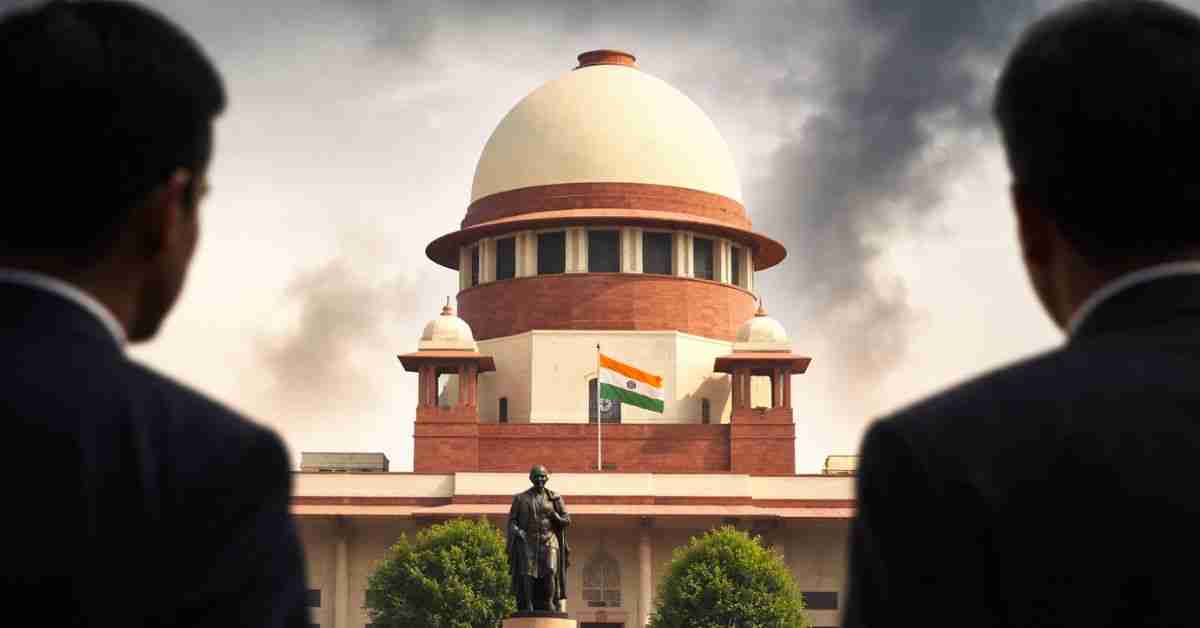
The Supreme Court has raised serious concerns about the increasing trend of political parties announcing free schemes and cash transfers just before elections.
The court observed that such promises may win votes, but they can also put a heavy burden on state finances. According to the judges, this pattern is now visible in several states and is not limited to one government.
While hearing a case linked to the Tamil Nadu power distribution company under the DMK-led government, the bench questioned the timing of a free electricity scheme. The judges asked why such major financial decisions are often taken close to elections.
Also Read: Mental Pollution: The Hidden Threat to Society
“Free Culture” and Its Impact
The court made it clear that offering benefits without checking who really needs them can affect economic growth. If everything is made free, it may reduce financial discipline and long-term planning.
The judges also pointed out that power distribution companies are forced to adjust their budgets and tariffs when such schemes are introduced suddenly.
Who Pays the Price?
One important question raised by the court was simple: If the government keeps announcing free benefits, who ultimately pays for them? In most cases, the burden falls on taxpayers.
The bench suggested that instead of focusing mainly on free schemes, governments should invest more in creating jobs and boosting development.
Also Read: Gen Z and Millennials Dominate Home Buying in India, Says Survey
Debt, Salaries and Shrinking Development Funds
The court noted that many states are already under financial pressure. A large portion of revenue is spent on employee salaries and subsidy schemes. As a result, less money is available for roads, infrastructure, education, and other development projects.
The judges even questioned why at least 25% of a state’s yearly revenue cannot be set aside specifically for development work.
The message from the Supreme Court was clear — while welfare is important, financial stability and long-term growth should not be ignored.

click on icons to connect with us through official social media channels






You May Be Bathing the Wrong Way: Know the Correct Ayurvedic Way
