Advertisement
Power Transition in Iran: Mojtaba Khamenei Reportedly Chosen as Next Supreme Leader
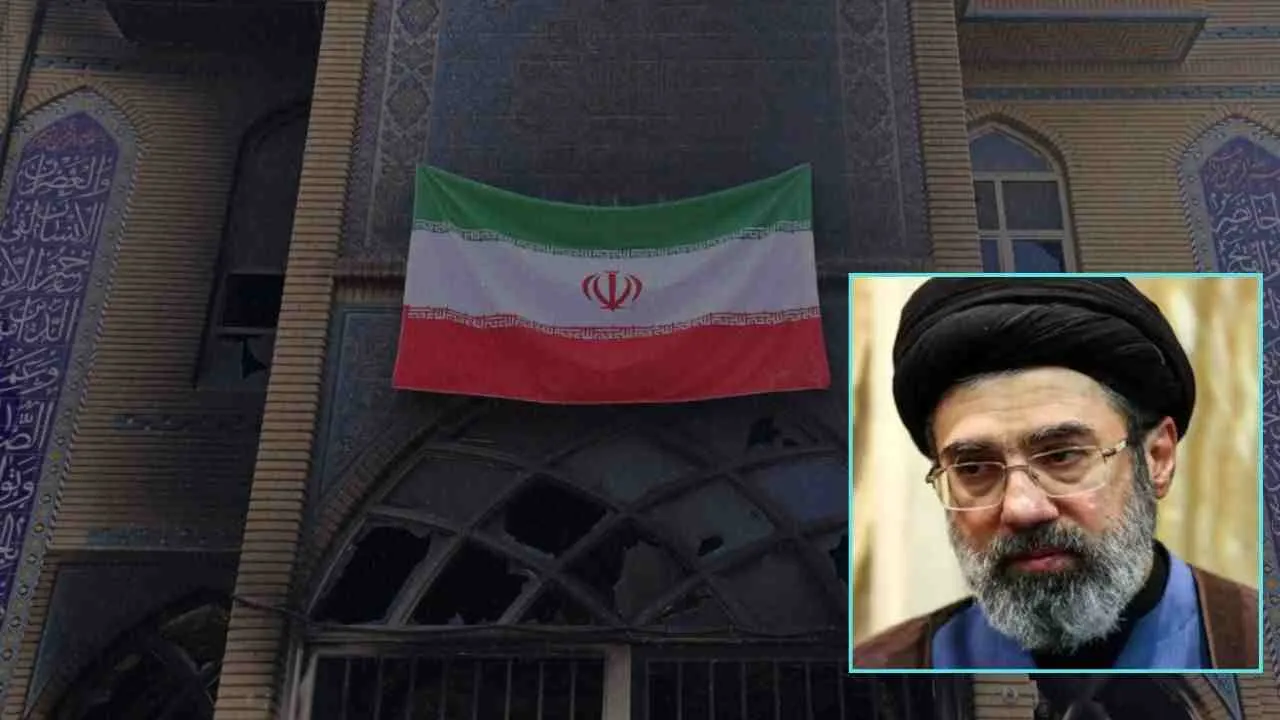
Tehran: Iran is moving toward a historic leadership transition following the death of its long-time Supreme Leader, Ayatollah Ali Khamenei, who was killed in a joint U.S.–Israeli airstrike on February 28, 2026.
Iranian authorities confirmed the strike on his Tehran compound, and state media later announced a 40-day national mourning period. Reports indicate that at least six people died in the attack, with satellite imagery showing visible damage at the targeted site.
As the country grapples with the aftermath, attention has shifted to the process of selecting Iran’s next Supreme Leader.
Mojtaba Khamenei in Focus
Several reports suggest that Mojtaba Khamenei, the second-eldest son of the late leader, has emerged as the leading candidate for the position.
Born in 1969 in the city of Mashhad, Mojtaba Khamenei is a cleric who has spent much of his career within the political and religious circles surrounding his father.
He is married to Zahra Haddad-Adel, who was reportedly among those killed in the airstrikes on the family compound. While some reports mention additional family casualties, details about those deaths vary and have not been consistently confirmed.

Mojtaba Khamenei is generally described as a mid-ranking cleric holding the title of Hojjatoleslam. He has taught theology at the Qom Seminary, one of the most important religious institutions in Iran.
Unlike senior clerics who hold the rank of Grand Ayatollah, he does not possess the highest religious status traditionally associated with the role of Supreme Leader. However, the Iranian constitution does not strictly require that rank.
Influence Behind the Scenes
Despite not holding formal government office, Mojtaba Khamenei has long been considered a powerful figure inside the office of the Supreme Leader.
For nearly two decades, he has reportedly acted as a key gatekeeper within the leadership structure, overseeing access, finances, and internal decision-making in the office known as Beit-e Rahbari.
His influence has also been linked to strong relationships with the Islamic Revolutionary Guard Corps (IRGC), Iran’s powerful security organization.
Those connections date back to the Iran-Iraq War, when Mojtaba served in the Habib Battalion.
Internationally, he has faced sanctions from the United States since 2019 for acting on behalf of his father’s office and for alleged involvement in the suppression of dissent inside Iran.
Succession Decision Underway
Iran’s Assembly of Experts, the clerical body responsible for selecting the Supreme Leader, is currently believed to be considering the final decision.
Some reports suggest the selection process may already favor Mojtaba Khamenei, though Iranian state media has not yet formally confirmed the appointment.
Observers say the choice may be influenced by the need for stability during the ongoing conflict involving Iran, Israel, and the United States.
An interim leadership arrangement under Article 111 of Iran’s constitution is currently handling the duties of the Supreme Leader while the final decision is prepared.
Global Impact
The leadership transition comes at a time of heightened regional tensions.
The death of Iran’s Supreme Leader and the possibility of a new hardline leadership could intensify confrontations involving Israel, the United States, and Iran’s regional allies.
Energy markets and shipping routes connected to the Middle East are also being closely watched by global governments and investors.
