Advertisement

Israel Warns Iran’s Next Supreme Leader Will Be Targeted After Khamenei’s Death
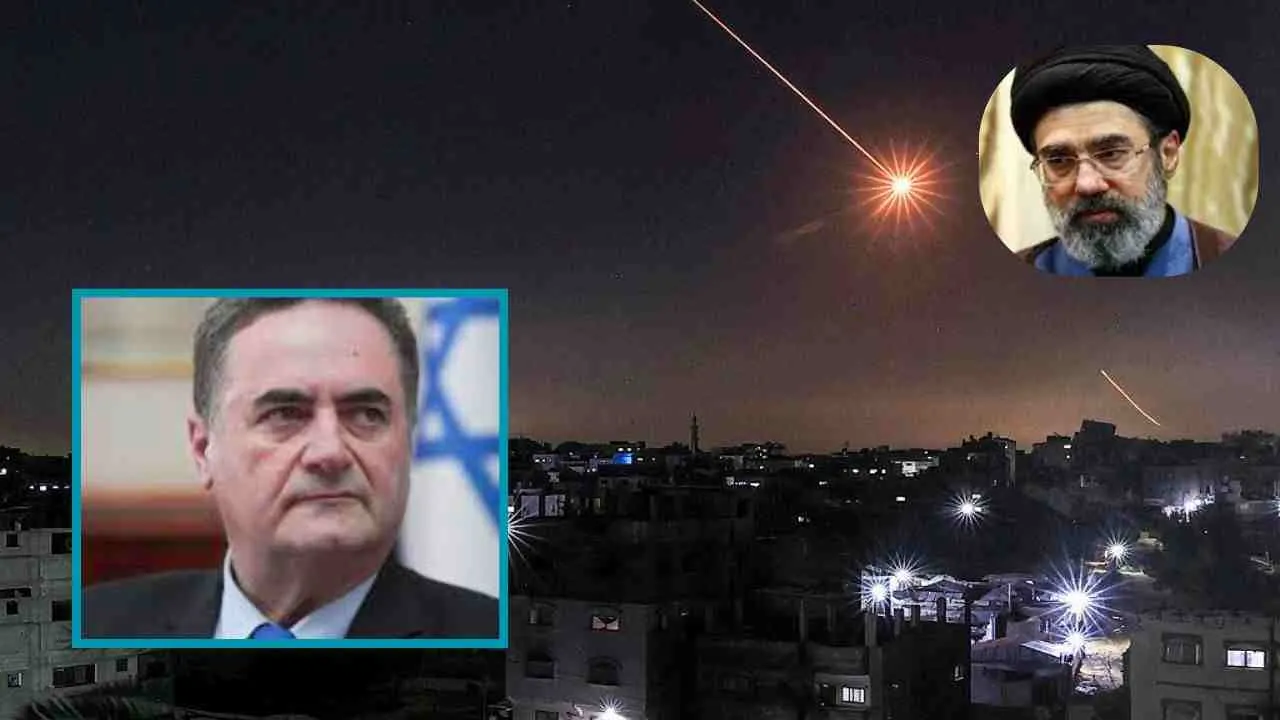
Tel Aviv: The Middle East crisis has deepened after Israel issued a direct warning that anyone chosen to replace Iran’s Supreme Leader will become a target.
The threat comes days after the death of Iran’s Supreme Leader Ayatollah Ali Khamenei on February 28, 2026, an event that has triggered a dangerous new phase in the regional conflict.
On Wednesday, March 4, Israel’s Defense Minister Israel Katz said any individual selected to lead Iran would face the risk of elimination if they continued policies aimed at destroying Israel.
Katz made the statement publicly on X, the platform formerly known as Twitter, and repeated the message in official remarks.
He said every leader appointed by Iran’s ruling establishment to continue its military and nuclear agenda would be treated as a direct threat.
According to Katz, Israel will pursue such a person regardless of where they attempt to hide.
Escalation After Joint Strikes
The warning follows the launch of a major military campaign carried out jointly by Israel and the United States.
The operations have been named Operation Lion’s Roar by Israel and Operation Epic Fury by the United States.
Officials involved in the campaign say the goal is to weaken Iran’s leadership structure and prevent a smooth transfer of power after Khamenei’s death.
Israeli leaders have also suggested they want to create conditions that could lead to internal pressure against Iran’s current government.
Reports indicate that Israeli strikes have already targeted locations in the holy city of Qom, where Iran’s powerful clerical body known as the Assembly of Experts is believed to be discussing the appointment of a new Supreme Leader.
The Assembly of Experts is responsible for selecting the country’s top religious and political authority.

Iran Responds With Warnings
Iran has responded with strong warnings and military retaliation.
A spokesperson for the Islamic Revolutionary Guard Corps (IRGC) warned that the United States and Israel would face severe consequences.
Meanwhile, Iranian cleric Ahmad Khatami confirmed that discussions about a successor are ongoing and that the decision could come soon.
However, he said the process is being carried out with extreme secrecy because of assassination threats.
Iran has already launched hundreds of missiles and drones toward Israeli targets and U.S. military bases in the region.
Some of those attacks reportedly targeted facilities in Qatar and Bahrain.
Possible Successor in Focus
Attention has turned to Mojtaba Khamenei, the 55-year-old son of the late Supreme Leader.
Although Iranian authorities have not formally confirmed his appointment, several reports suggest he may have already been selected by the Assembly of Experts.
Mojtaba Khamenei is widely seen as a hardline figure with strong ties to Iran’s security institutions.
He has been under U.S. sanctions since 2019 over his alleged role in domestic crackdowns.
If he becomes Supreme Leader, it would mark the first time leadership of the Islamic Republic passes within the same family since the 1979 revolution.
Critics say such a move could resemble dynastic rule.
Global Impact
The rising tensions between Iran, Israel, and the United States have raised fears of a broader regional conflict.
Military exchanges across the Middle East could disrupt global energy markets and shipping routes, particularly in areas linked to oil transport.
Governments around the world are closely monitoring the situation as the leadership transition in Iran unfolds.
India Angle
The crisis also has implications for India.
Millions of Indians live and work across the Middle East, including in Gulf countries that host major U.S. military bases.
With missile strikes already reported near Qatar and Bahrain, any further escalation could affect Indian workers, businesses, and travel routes in the region.
Indian authorities are expected to closely monitor the situation as tensions continue to rise.
